

Painful or heavy periods (Dysmenorrhoea or Menorrhagia)
Heavy or painful periods are common and can significantly affect daily life. This page explains possible causes, how symptoms are assessed in primary care, and when further investigation may be helpful.
These articles are intended as educational sources, not diagnostic nor taking place of a proper medical assessment. If you need help, please book an appointment with one of our GP’s.
What this page covers
Heavy or painful periods, also known as menorrhagia and dysmenorrhoea, can occur at different life stages and for a variety of reasons. This page provides GP-reviewed information on:
- what counts as heavy or painful periods
- common symptoms and patterns
- possible hormonal and non-hormonal causes
- how a GP may assess symptoms
- when blood tests or imaging may be considered
This information supports understanding and does not replace personalised medical advice.
Common symptoms of heavy or painful periods
People may notice one or more of the following:
- periods lasting longer than usual
- soaking through pads or tampons quickly
- passing large blood clots
- severe lower abdominal or pelvic pain
- pain that interferes with work, sleep or daily activities
- fatigue or low energy around periods
- symptoms of low iron, such as breathlessness or dizziness
Symptoms may change over time and can be influenced by stress, weight changes or hormonal shifts.
Possible causes
Heavy or painful periods can be linked to several factors, including:
- hormonal imbalance affecting ovulation
- fibroids or adenomyosis
- endometriosis
- polycystic ovary syndrome (PCOS)
- copper intrauterine devices (coils)
- thyroid disorders
- bleeding or clotting abnormalities
In many cases, no single cause is identified, and symptoms are managed based on impact and pattern.
How a GP may assess heavy or painful periods
A GP assessment focuses on understanding how symptoms affect quality of life and identifying any underlying cause. This may include:
- a detailed menstrual history
- discussion of pain pattern, cycle length and bleeding volume
- review of contraception and medications
- assessment of pregnancy risk where relevant
Depending on symptoms, a GP may suggest blood tests or further investigations.
Blood tests that may be considered
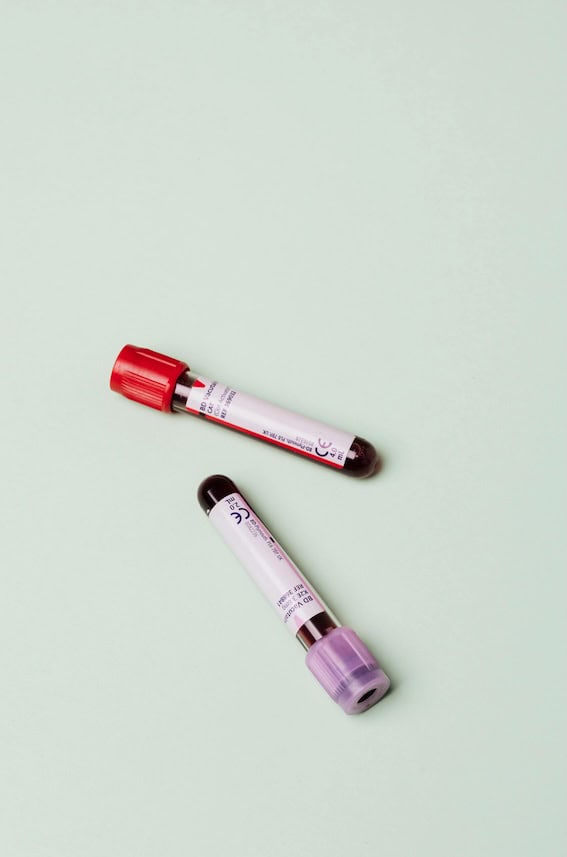
Blood tests are not always required, but may be helpful if symptoms are persistent or worsening. These can include:
- full blood count to assess for anaemia
- ferritin or iron studies
- thyroid function tests
- hormone tests in selected case
Results are interpreted alongside symptoms rather than in isolation.
When to seek medical advice
Consider booking a GP appointment if:
- periods are consistently heavy or very painful
- pain is worsening or not responding to simple measures
- bleeding affects daily functioning or sleep
- periods are associated with fatigue or low iron symptoms
- cycles change suddenly or become irregular
A GP can help explore causes and discuss appropriate next steps.

Further Reading and Hub Links
Visit our Women’s Health hub or browse more health topics in the AccessGP Knowledge Base.
If you would like to discuss heavy or painful periods, review symptoms or consider blood tests, you can book an online GP appointment with AccessGP.
AccessGP Services
Our GPs provide consultations through video or phone appointments. For tailored insights into female health and wellbeing, explore our WellWoman Blood Test.
What We Offer:
Locations We Serve:
We offer online access to a private GP in Manchester, Liverpool, Preston, Leeds, Durham and across England, without the need to travel.
Last reviewed by Dr Zamiel Hussain, GMC registered GP
Clinical contributor: Dr Tasnimah Miah, Women’s Health Advocate
Updated: 14 December 2025