

Brain and Nerve Health: Headaches, Vertigo and Nerve Symptoms
Headaches, dizziness, tingling and numbness are some of the most common reasons adults speak to a GP. This section explains common brain and nerve conditions seen in primary care, how they are treated and which symptoms need urgent help.
What this brain and nerve health section covers
This section includes GP-authored guides to common neurological symptoms and conditions that are usually assessed and managed in primary care.
The topics include:
- migraine
- tension-type headache
- cluster headache
- medication overuse headache
- vertigo and dizziness
- Bell’s palsy
- carpal tunnel syndrome
- pins and needles, numbness and sciatica
This content provides general information and does not replace an individual medical assessment.
Common reasons adults seek GP advice for brain and nerve symptoms
Adults often contact a GP about:
- Recurrent or worsening headaches
- Migraine attacks that are not controlled
- Needing painkillers on most days
- Spinning or dizziness
- Sudden weakness on one side of the face
- Tingling or numbness in the hands
- Pain, tingling or numbness down the leg
- Nerve symptoms with tiredness or other symptoms
A private GP reviews your symptoms, the pattern over time, the medicines you take and any warning features that need urgent assessment.
Most common headaches and nerve symptoms can be assessed well by video consultation. Where an examination, scan or specialist opinion is needed, a GP can arrange the next step.
Types of brain and nerve topics explained in this section
Below is a GP-authored overview of the conditions covered in this section, with links to each guide.
Migraine
Migraine causes recurrent, often one-sided headaches with nausea and sensitivity to light or sound. The guide covers triggers, triptans, prevention and contraception.
Tension-type headache
The most common headache, often felt as a tight band around the head. Learn about causes, safe painkiller use and prevention.
Cluster headache
Rare but severe attacks of pain around one eye that come in bouts. The guide explains fast-acting treatment and specialist care.
Medication overuse headache
Frequent use of painkillers or triptans can cause daily headaches. Find out how to break the cycle safely.
Vertigo and dizziness
A clear comparison of BPPV, labyrinthitis, vestibular neuritis, vestibular migraine and Meniere’s disease, with treatment and red flags.
Bell’s palsy
Sudden weakness on one side of the face. Early steroid treatment within 72 hours matters, and the guide explains how to tell it apart from a stroke.
Carpal tunnel syndrome
Tingling and numbness in the thumb and first fingers, often worse at night. Learn about splints, injections and surgery.
Pins and needles, numbness and sciatica
Common nerve symptoms, from trapped nerves and sciatica to low vitamin B12 and diabetes, and the warning signs to know.
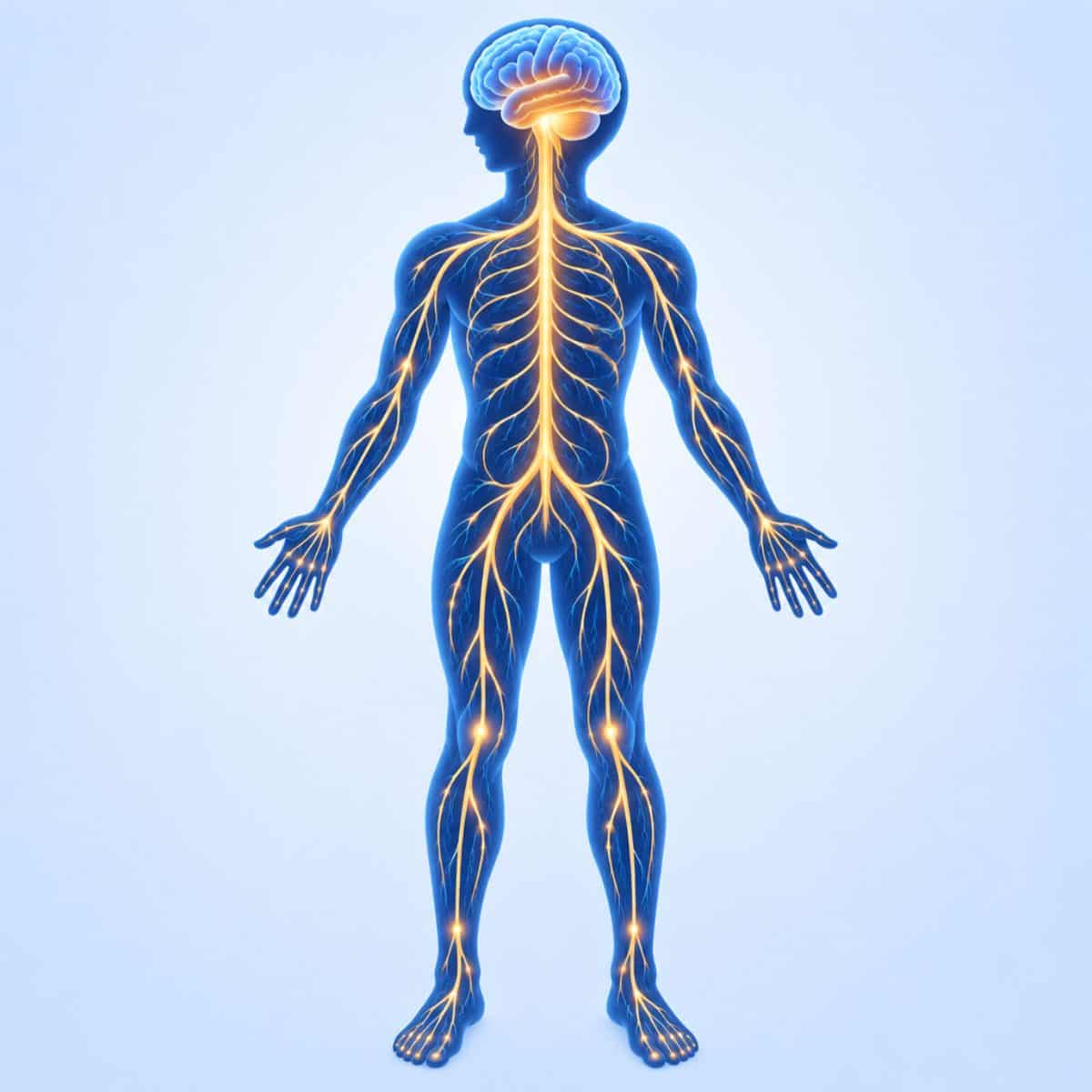
How a GP assesses headaches and nerve symptoms
Most headaches and nerve symptoms are diagnosed from a careful history: when symptoms started, how long episodes last, what brings them on and what helps. A GP will also ask about medicines, including those bought over the counter.
Blood tests can be useful for some nerve symptoms, for example to check vitamin B12, diabetes or thyroid function. Scans are only needed when there are specific warning features, and where one is clinically appropriate a GP can arrange private imaging, such as an MRI scan.
Online care is not suitable for sudden severe symptoms, new weakness, speech problems or anything that suggests a stroke. These need emergency assessment.

Linking brain and nerve health to the rest of your health
Headaches and nerve symptoms are often connected to other parts of your health, including sleep, stress, posture, hormones, alcohol and long-term conditions such as diabetes.
Some medicines can cause headaches or dizziness, and frequent painkiller use can cause medication overuse headache. Reviewing your medicines is a key part of care.
For a wider view, explore our guides to mental health, musculoskeletal health and medication and prescribing.

When to book a GP appointment
Consider a GP consultation if you have:
- Headaches that are becoming more frequent or severe
- Migraine that is not controlled with your current treatment
- Headaches on most days, or painkillers on most days
- Recurrent vertigo or dizziness
- New weakness on one side of the face
- Tingling, numbness or sciatica lasting more than a few weeks
Call 999 or go to A&E for a sudden severe headache, new weakness or numbness on one side, slurred speech, numbness around the bottom or genitals, or new bladder or bowel problems.
Explore expert, GP-reviewed insights into your health across the AccessGP Knowledge Base.
If you would like to discuss headaches, dizziness or nerve symptoms with a GP, you can book an online GP appointment with a GMC-registered doctor at a time that suits you.
Reviewed by Dr Zamiel Hussain, GP · GMC number 7486123 (check the GMC register) · About Dr Hussain
Updated: 21 November 2026