

Breast Symptoms
Breast symptoms are common and can occur at different life stages. Many changes are benign and related to hormonal fluctuation, but some symptoms require prompt medical assessment.
This page provides GP-reviewed information on common breast symptoms, what they may indicate, how they are assessed, and when urgent face-to-face medical review is required.
These articles are intended as educational sources, not diagnostic nor taking place of a proper medical assessment. If you need help, please book an appointment with one of our GP’s.
Important disclaimer about breast lumps
Any new, persistent or unexplained breast lump must be assessed face to face by a healthcare professional.
Online or remote consultations are not appropriate for diagnosing breast lumps. If you notice a new lump, change in breast shape, skin change or nipple symptom, you should seek an in-person GP or breast clinic assessment without delay.
This article provides a brief overview of breast symptoms.
What this page covers
This page explains:
- common breast symptoms
- symptoms that may be hormone-related
- when symptoms may need urgent assessment
- how breast symptoms are assessed in primary care
- when referral for imaging or specialist review is required
This information supports understanding and does not replace medical examination.
Common breast symptoms
Breast symptoms may include:
- breast pain or tenderness
- breast lumps or thickening
- changes in breast size or shape
- skin changes such as redness or dimpling
- nipple discharge
- nipple inversion or changes
- breast swelling
Symptoms may affect one or both breasts.
Breast pain (mastalgia)
Breast pain is common and often benign. It may be:
- cyclical, linked to the menstrual cycle
- non-cyclical, affecting one area
- described as aching, burning or sharp
Hormonal changes, cysts, musculoskeletal pain and poorly fitting bras are common contributors. Breast pain alone is rarely associated with cancer, but persistent or localised pain should still be assessed.
Breast lumps and thickening
Breast lumps can arise for many reasons, including:
- fibroadenomas
- cysts
- hormonal breast tissue changes
- infections or inflammation
However, it is not possible to determine the cause of a breast lump without examination.
All new breast lumps require face-to-face clinical assessment, even if painless or small.
Skin and nipple changes
Symptoms that should always be reviewed include:
- skin dimpling or puckering
- redness or warmth
- persistent rash around the nipple
- nipple inversion that is new
- spontaneous nipple discharge, especially if bloody
These symptoms require prompt medical review.all.
Breast symptoms and the menstrual cycle
Hormonal changes can cause:
- breast tenderness before periods
- temporary lumpiness
- swelling
Symptoms that resolve after menstruation are often benign, but persistent changes should not be ignored and advice should be sought from a GP/breast surgeon.
When to seek urgent medical advice
Seek urgent face-to-face medical assessment if you notice:
- a new breast lump
- persistent lump or thickening
- skin dimpling or redness
- nipple discharge, especially blood-stained
- nipple inversion or change
- breast swelling with fever
These symptoms should not be assessed remotely.

How breast symptoms are assessed
A GP assessment typically involves:
- a detailed symptom history
- clinical breast examination
- assessment of risk factors and family history
If appropriate, referral may be made for:
- breast ultrasound
- mammography
- specialist breast clinic assessment
These investigations are arranged urgently when indicated.
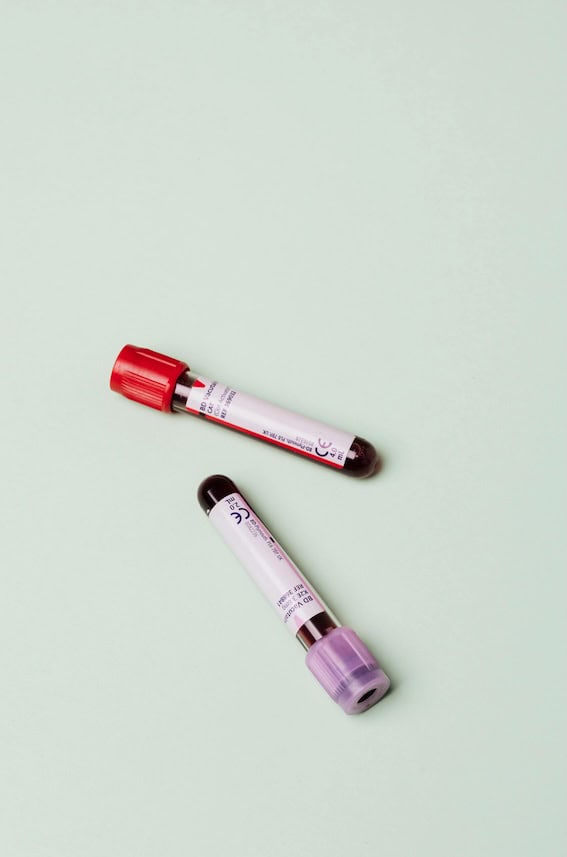
Blood tests that may be relevant
Not everyone needs tests, but commonly considered options include:
- hormone profiles (FSH, LH, oestradiol, progesterone)
- thyroid function tests
- prolactin
- androgen levels (if PCOS is suspected)
- HbA1c or glucose testing in metabolic concerns
Tests are selected based on symptoms and clinical context.

When to book a GP appointment
Book an urgent in-person GP appointment if you experience:
- any new or unexplained breast lump
- persistent breast pain in one area
- visible changes to breast skin or nipple
- concerns about breast changes
A GP can assess symptoms and arrange appropriate referral if needed.

Related articles
- Heavy or painful periods
- Pelvic pain and bloating
- Polycystic ovary syndrome (PCOS)
- Ultrasound scans
- Referrals explained, including routine referrals and the 2 week wait (2WW) cancer pathway
Further Reading and Hub Links
Visit our Women’s Health hub or browse more health topics in the AccessGP Knowledge Base.
If you are concerned about breast symptoms, particularly a new lump or visible change, please arrange a face-to-face GP appointment as soon as possible. For other concerns, please use the link to book your online GP appointment.
AccessGP Services
Our GPs provide consultations through video or phone appointments.
What We Offer:
Locations We Serve:
We offer online access to a private GP in Manchester, Liverpool, Preston, Leeds, Durham and across England, without the need to travel.
Last reviewed by Dr Zamiel Hussain, GMC registered GP
Clinical contributor: Dr Tasnimah Miah, Women’s Health Advocate
Updated: 17 December 2025