

Vaginal Symptoms
Vaginal symptoms such as itching, discharge, dryness or discomfort are common and can affect women at different life stages. Symptoms may be short-lived or persistent and can have a significant impact on comfort, confidence and sexual wellbeing.
This page provides GP-reviewed information on common vaginal symptoms, possible causes, how symptoms are assessed in primary care, and when further investigation or treatment may be needed.
These articles are intended as educational sources, not diagnostic nor taking place of a proper medical assessment. If you need help, please book an appointment with one of our GP’s.
What this page covers
This page explains:
- common vaginal symptoms and what they may indicate
- causes related to infection, hormones and skin conditions
- how symptoms are assessed by a GP
- when tests may be recommended
- symptoms that require urgent medical review
Common vaginal symptoms
Vaginal symptoms can vary in nature and severity. Common presentations include:
- vaginal itching or irritation
- abnormal vaginal discharge
- vaginal dryness or soreness
- burning or stinging sensations
- pain during sex
- discomfort when passing urine
- redness or swelling of the vulval area
Symptoms may occur alone or together and may fluctuate over time.
Common causes of vaginal symptoms
Vaginal infections
Infections are a common cause and may include:
- thrush (candida)
- bacterial vaginosis
- sexually transmitted infections
Symptoms and discharge characteristics can vary, so diagnosis is not always clear based on symptoms alone.
Hormonal causes
Changes in oestrogen levels can affect vaginal tissues and may cause:
- dryness
- soreness
- recurrent irritation
- discomfort during sex
This is particularly common during perimenopause, menopause, breastfeeding or with certain hormonal treatments.
Skin and inflammatory conditions
Some vaginal and vulval symptoms are related to skin conditions such as:
- eczema
- contact dermatitis
- lichen sclerosus
These conditions may require specific treatments and careful diagnosis.
Irritants and lifestyle factors
Symptoms may also be triggered by:
- scented soaps or washes
- bubble baths
- sanitary products
- tight or non-breathable clothing
- excessive washing or douching
Avoiding irritants can be an important part of symptom management.
When to seek urgent medical advice
You should seek prompt medical review if you experience:
- unexplained vaginal bleeding
- bleeding after menopause
- severe pain or swelling
- fever or systemic symptoms
- symptoms that worsen rapidly
- persistent symptoms despite treatment
These symptoms require timely assessment.

How a GP assesses vaginal symptoms
A GP assessment usually includes:
- a detailed symptom history
- duration and pattern of symptoms
- any associated pain, discharge or bleeding
- menstrual, contraceptive and sexual history
- review of medications
In some cases, examination or swab testing may be recommended to guide treatment.
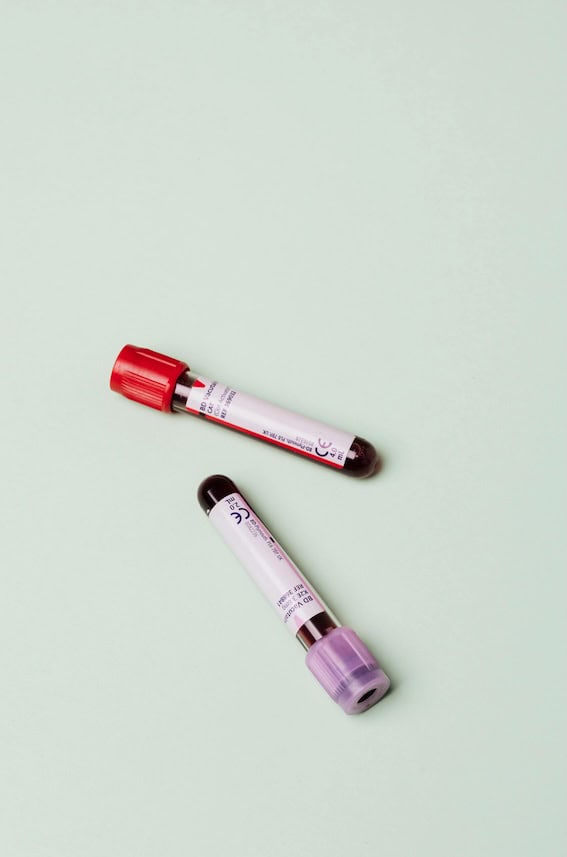
Tests that may be considered
Not everyone requires tests, but depending on symptoms, a GP may suggest:
- vaginal swabs
- urine testing
- pregnancy testing where relevant
- blood tests in selected cases
Testing helps ensure the correct treatment is offered.

When to book a GP appointment
Consider booking a GP consultation if:
- vaginal symptoms persist or recur
- symptoms interfere with daily life or sexual wellbeing
- over-the-counter treatments have not helped
- you are unsure about the cause
- symptoms occur alongside pelvic pain or abnormal bleeding
A GP can help identify the cause and recommend appropriate treatment.

Further Reading and Hub Links
Visit our Women’s Health hub or browse more health topics in the AccessGP Knowledge Base.
If you are experiencing vaginal symptoms and would like a GP review, you can book an online appointment with AccessGP.
AccessGP Services
Our GPs provide consultations through video or phone appointments.
What We Offer:
Locations We Serve:
We offer online access to a private GP in Manchester, Liverpool, Preston, Leeds, Durham and across England, without the need to travel.
Last reviewed by Dr Zamiel Hussain, GMC registered GP
Clinical contributor: Dr Tasnimah Miah, Women’s Health Advocate
Updated: 17 December 2025