

Irregular Periods
Irregular periods are common and can occur at different life stages. This page explains what doctors mean by irregular cycles, common causes, how symptoms are assessed in GP consultations and when further investigation may be appropriate.
These articles are intended as educational sources, not diagnostic nor taking place of a proper medical assessment. If you need help, please book an appointment with one of our GP’s.
What counts as an irregular period
A menstrual cycle is considered irregular if:
- periods occur less often than every 21 days or more than every 35 days
- cycle length varies significantly from month to month
- periods stop unexpectedly (amenorrhoea)
- bleeding is unpredictable or erratic
- spotting occurs between periods
Some variation is normal, particularly in adolescence, after pregnancy or during perimenopause.
Common causes of irregular periods
Irregular cycles may be linked to a range of factors, including:
- hormonal fluctuations
- stress, illness or significant weight change
- polycystic ovary syndrome (PCOS)
- thyroid disorders
- perimenopause or menopause
- stopping or starting hormonal contraception
- pregnancy or early pregnancy loss
- excessive exercise or under-nutrition
A GP considers your age, symptoms, medical history and timing of changes when assessing causes.
Symptoms that may occur alongside irregular periods
- acne or increased facial hair
- weight changes
- fatigue or low energy
- pelvic pain or bloating
- headaches or mood changes
- fertility concerns
Associated symptoms help guide which tests or referrals may be useful.
When to seek medical advice urgently
You should seek prompt medical review if you experience:
- sudden cessation of periods with pregnancy risk
- very heavy bleeding causing dizziness or fatigue
- bleeding after sex
- persistent pelvic pain
- irregular bleeding after menopause
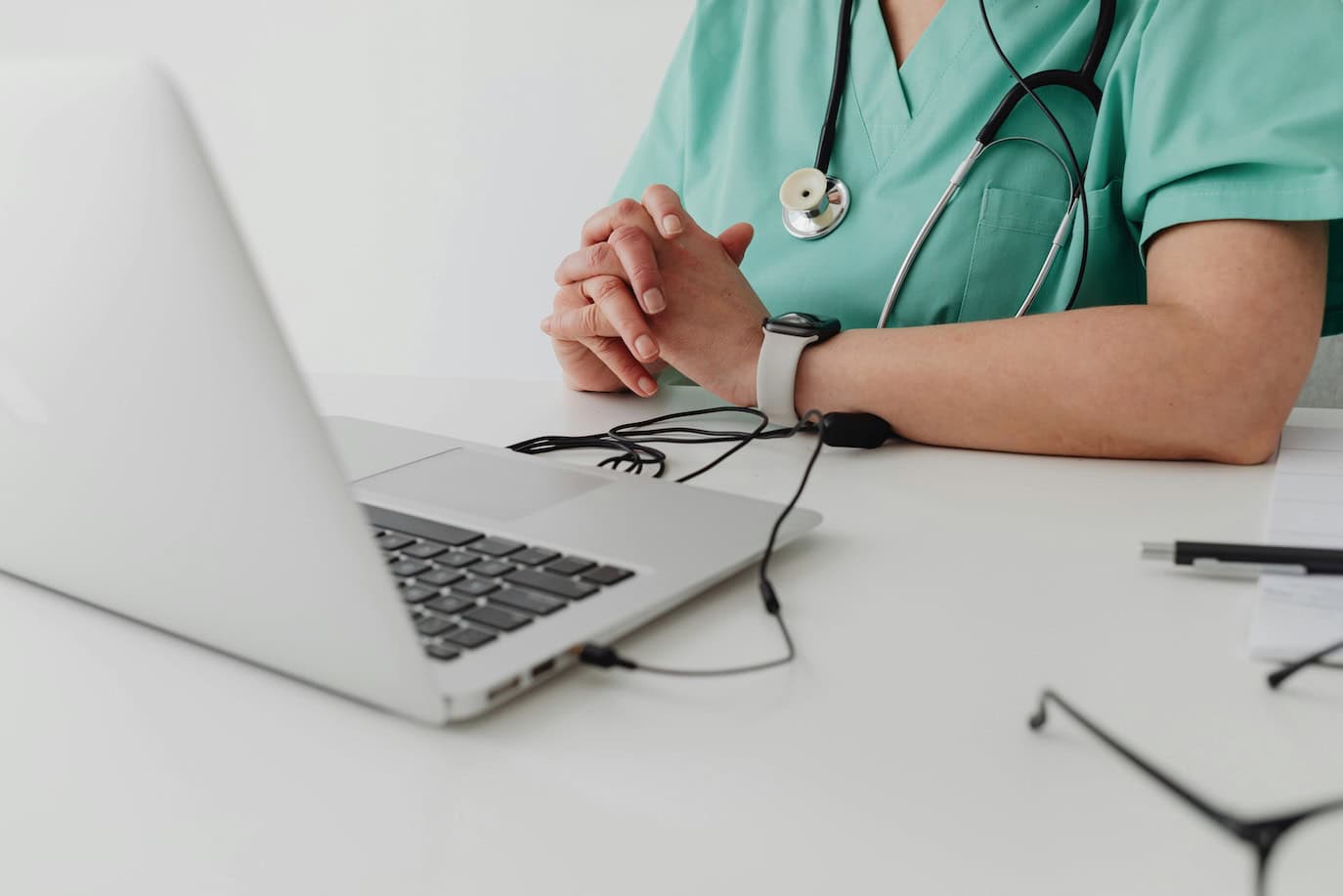
How a GP assesses irregular periods
During a consultation, a GP may discuss:
- cycle history and pattern changes
- contraception use
- pregnancy risk
- lifestyle factors such as stress, exercise and diet
- family history of hormonal or reproductive conditions
Depending on findings, blood tests or imaging (such as ultrasound) may be considered.

Blood tests that may be relevant
Not everyone needs tests, but commonly considered options include:
- hormone profiles (FSH, LH, oestradiol, progesterone)
- thyroid function tests
- prolactin
- androgen levels (if PCOS is suspected)
- HbA1c or glucose testing in metabolic concerns
Tests are selected based on symptoms and clinical context.

How irregular periods are managed
Management depends on the cause and may include:
- reassurance and monitoring
- lifestyle adjustments
- hormonal treatments
- addressing underlying medical conditions
- referral for gynaecology review when appropriate

Further Reading and Hub Links
Visit our Women’s Health hub or browse more health topics in the AccessGP Knowledge Base.
If you are concerned about changes to your menstrual cycle, a GP can help review your symptoms, discuss possible causes and decide whether tests or further assessment are appropriate.
AccessGP Services
Our GPs provide consultations through video or phone appointments.
What We Offer:
Locations We Serve:
We offer online access to a private GP in Manchester, Liverpool, Preston, Leeds, Durham and across England, without the need to travel.
Last reviewed by Dr Zamiel Hussain, GMC registered GP
Clinical contributor: Dr Tasnimah Miah, Women’s Health Advocate
Updated: 15 December 2025