

Obstructive Sleep Apnoea: Symptoms, Risks and Treatment
Obstructive sleep apnoea (OSA) is a common condition in which the airway repeatedly narrows or closes during sleep, causing breathing to pause. Many people with it do not know they have it.
Untreated OSA can leave you exhausted during the day and is linked with high blood pressure, heart disease and road accidents. It is treatable, and treatment can make a big difference to energy and quality of life.
This page explains the symptoms, risk factors, how OSA is diagnosed and treated, and what it means for driving, written from a GP perspective.
These articles are intended as educational sources, not diagnostic nor taking place of a proper medical assessment. If you need help, please book an appointment with one of our GP’s.
What is obstructive sleep apnoea?
During sleep, the muscles in the throat relax. In OSA, the airway narrows or collapses, breathing stops for a short time and the brain briefly wakes you to restart it. This can happen many times an hour without you remembering. Common signs include:
- loud snoring
- pauses in breathing, gasping or choking noticed by a partner
- feeling very sleepy or tired during the day
- waking with a headache or dry mouth
- poor concentration or irritability
Not everyone who snores has sleep apnoea, but snoring with daytime sleepiness or witnessed breathing pauses should be checked.
How sleep apnoea is diagnosed
A GP will ask about your sleep, snoring and daytime sleepiness, and may use a questionnaire such as the Epworth Sleepiness Scale. It helps if a partner can describe what they notice at night.
If OSA is suspected, you will usually be referred for a sleep study, which can often be done at home with a small monitor worn overnight. A GP may also check your blood pressure and arrange blood tests to look for related conditions.
Who is at risk?
OSA can affect anyone, but it is more likely with:
Excess weight
Extra weight, particularly around the neck, can narrow the airway. Losing weight often improves symptoms.
Age and sex
OSA is more common in men and becomes more common with age, including in women after the menopause.
Evening alcohol
Alcohol relaxes the throat muscles and can make breathing pauses worse.
Smoking
Smoking can inflame and narrow the upper airway.
Sedating medicines
Sleeping tablets and some other sedating medicines can make sleep apnoea worse.
Airway shape
Large tonsils, a small lower jaw or a blocked nose can all contribute.

Why treatment matters
Untreated OSA does more than cause tiredness. It is linked with:
- high blood pressure
- heart disease and stroke
- type 2 diabetes
- a higher risk of accidents, including on the road
Treating OSA often improves daytime energy, concentration and mood, and can help with blood pressure.

How sleep apnoea is treated
Treatment depends on how severe your OSA is. Options include:
- lifestyle changes, such as losing weight, cutting down on alcohol and stopping smoking
- sleeping on your side if symptoms are worse on your back
- CPAP, a machine that gently blows air through a mask to keep the airway open overnight
- a mandibular advancement device, a mouthguard that holds the jaw forward, for some people with milder OSA
CPAP is the most effective treatment for moderate to severe OSA. It can take a little time to get used to, and sleep services provide support with this.

Sleep apnoea and driving
If you are diagnosed with OSA that causes excessive daytime sleepiness, you may need to tell the DVLA. Important points:
- do not drive if you feel sleepy
- sleepiness from OSA affects your safety at the wheel
- many people can keep driving once their symptoms are controlled with treatment
The rules differ for car and for lorry or bus licences. Check the latest DVLA guidance or ask your GP if you are unsure.

Snoring without sleep apnoea
Many people snore without having OSA. Simple measures can help:
- keeping to a healthy weight
- avoiding alcohol close to bedtime
- sleeping on your side
- treating a blocked nose or hay fever
If snoring comes with daytime sleepiness, morning headaches or pauses in breathing, it is worth seeing a GP to check for sleep apnoea.

Living well with sleep apnoea
Alongside treatment, good sleep habits help:
- keeping a regular sleep routine
- avoiding alcohol and sedating medicines in the evening
- staying active
- attending follow-up with your sleep service
If you use CPAP, using it every night, for the whole night, gives the most benefit.
When to seek help
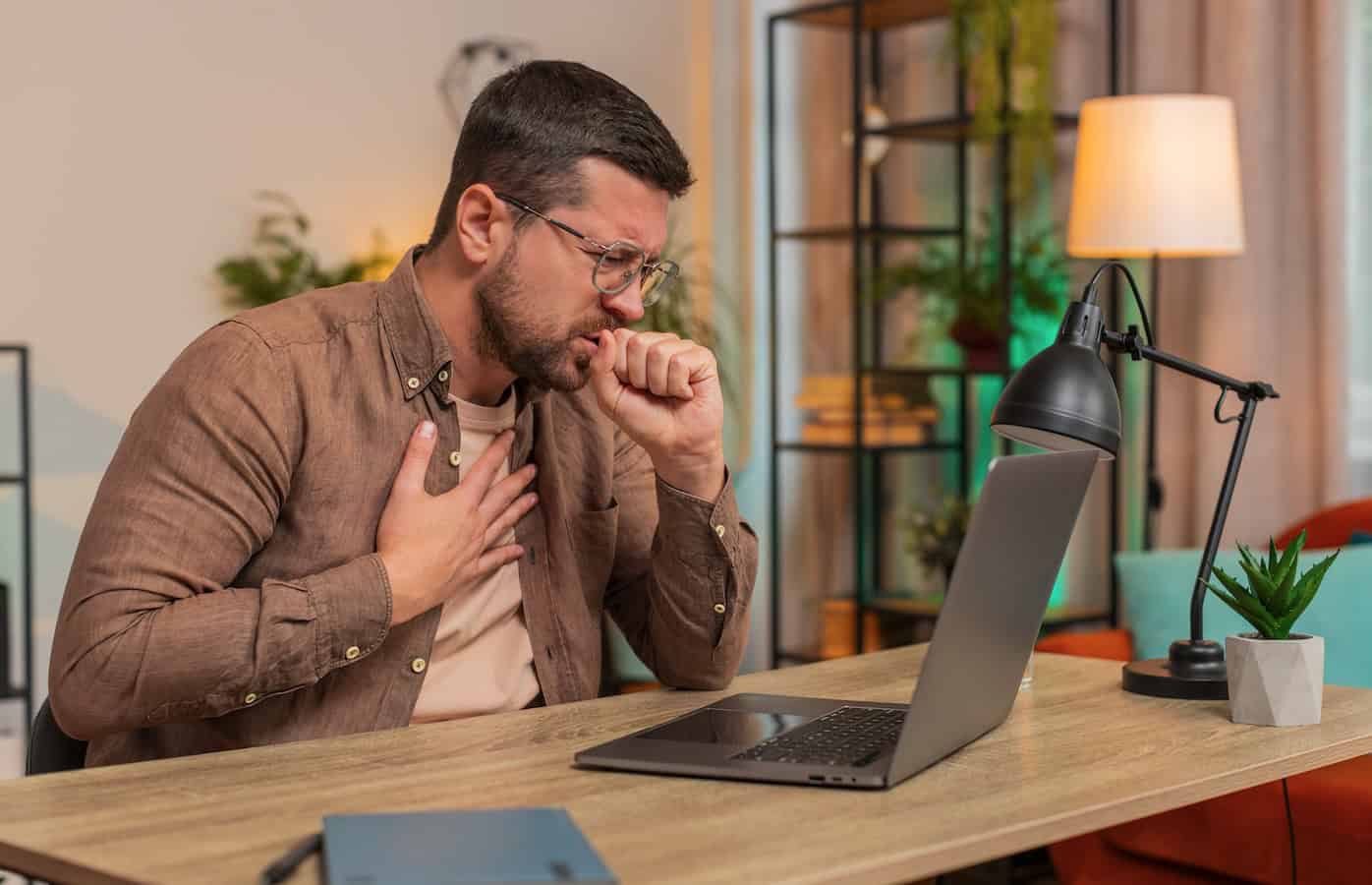
See a GP if:
- you snore loudly and feel very sleepy during the day
- a partner has noticed you stop breathing or gasp during sleep
- you often wake with headaches
- you fall asleep at inappropriate times
If you have fallen asleep while driving, or struggle to stay awake at the wheel, stop driving and seek medical advice promptly.
Frequently asked questions
Is snoring the same as sleep apnoea?
No. Many people snore without having sleep apnoea. Snoring with daytime sleepiness, morning headaches or pauses in breathing noticed by a partner suggests sleep apnoea and should be checked.
How is sleep apnoea diagnosed?
Usually with a sleep study, which can often be done at home with a monitor worn overnight. A GP can assess your symptoms and advise on referral.
Can sleep apnoea be cured?
For some people, losing weight and other lifestyle changes greatly improve or even resolve OSA. For others, treatment such as CPAP controls it very effectively.
Do I need to tell the DVLA about sleep apnoea?
You may need to if your sleep apnoea causes excessive sleepiness. Check the latest DVLA guidance or ask your GP, and do not drive if you feel sleepy.
Can an online GP help with sleep apnoea?
An online GP can assess your symptoms, discuss risk factors, check for related conditions such as high blood pressure and advise on referral for a sleep study where appropriate.
Further Reading and Hub Links
Visit our Lung Health hub or browse more health topics in the AccessGP Knowledge Base. For more information, see the NHS guide to sleep apnoea.
If you are worried about snoring, daytime sleepiness or possible sleep apnoea, you can book an online GP appointment at a time that suits you. Our GMC-registered GPs offer same-day or next-day video and telephone consultations.
AccessGP Services
Our GMC-registered GPs offer same-day or next-day video and telephone consultations, providing convenient access to medical advice when you need it.
What We Offer:
Locations We Serve:
Available to patients in Bedford, Bolton, Chesterfield, Sunderland, Hammersmith & Fulham, St Albans and throughout England.
Reviewed by Dr Zamiel Hussain, GP · GMC number 7486123 (check the GMC register) · About Dr Hussain
Updated: 7 November 2026