

Colonoscopy explained
A colonoscopy is a common medical investigation used to examine the lining of the large bowel and rectum. It is often recommended to investigate bowel symptoms, check for inflammation or bleeding, or assess abnormal test results.
This page explains why a colonoscopy may be advised, what the procedure involves, and what usually happens next, written from a GP perspective.
These articles are intended as educational sources, not diagnostic nor taking place of a proper medical assessment. If you need help, please book an appointment with one of our GP’s.
Why might a colonoscopy be recommended?
A GP or specialist may recommend a colonoscopy to help investigate:
- persistent changes in bowel habit
- blood in the stool or unexplained anaemia
- ongoing diarrhoea or constipation
- abdominal pain with concerning features
- abnormal stool tests such as FIT
- monitoring known bowel conditions
In many cases, a colonoscopy is performed to exclude serious disease and provide reassurance.
What happens during a colonoscopy?
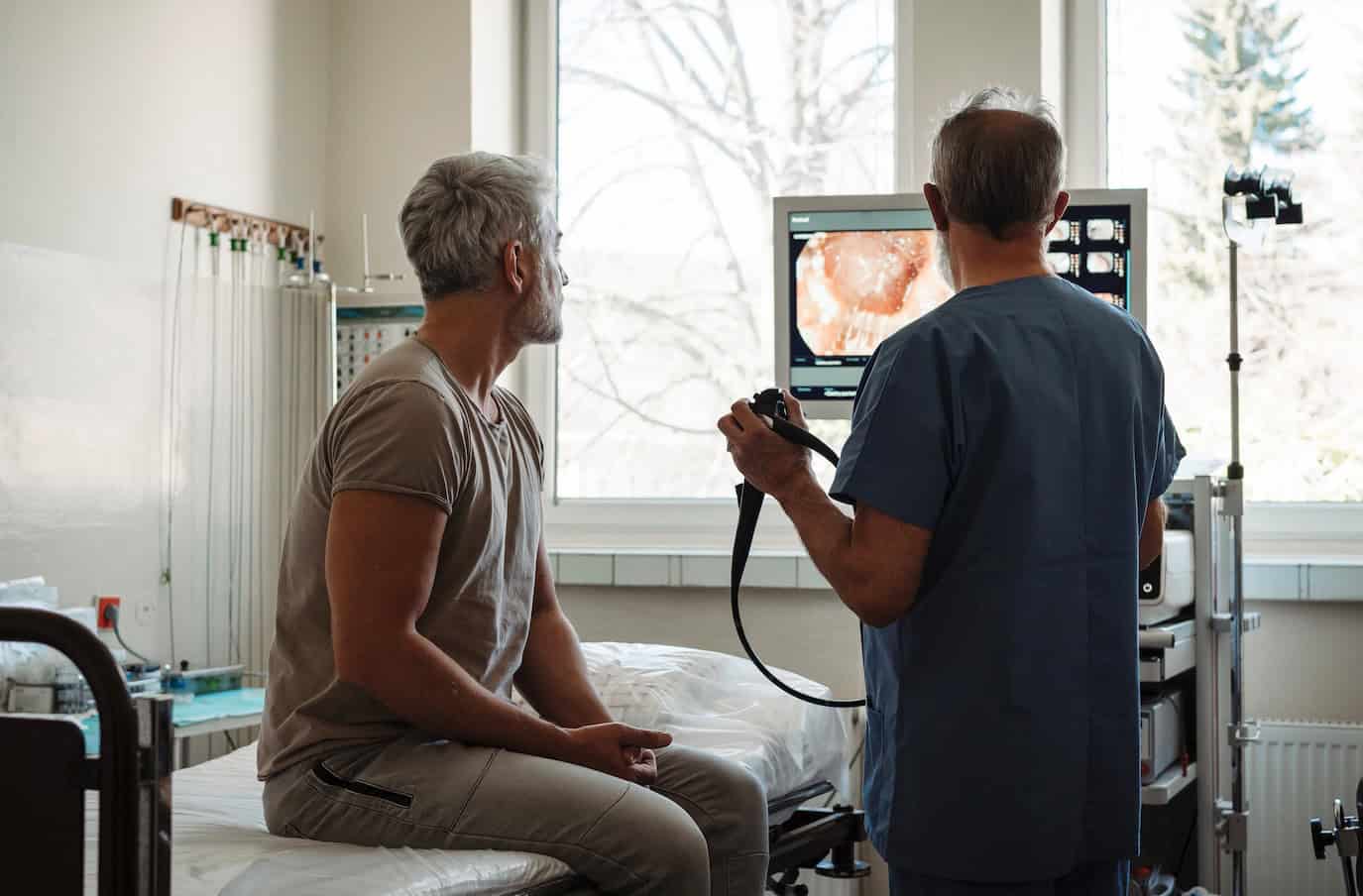
A colonoscopy involves passing a thin, flexible camera through the back passage to examine the bowel lining.
- The procedure is usually performed as a day case
- Sedation or pain relief is commonly offered
- The test itself typically lasts 30 to 45 minutes
- Small tissue samples (biopsies) may be taken if needed
Most patients tolerate the procedure well, although some discomfort or bloating can occur.
How do I prepare for a colonoscopy?
Good bowel preparation is essential for an accurate test.
This usually involves:
- a special bowel-cleansing medication
- dietary restrictions in the days before the test
- temporary adjustments to certain medications
You will be given clear instructions by the hospital or clinic beforehand.
Is a colonoscopy safe?
Colonoscopy is a widely used and generally safe procedure. As with any investigation, there are risks, but serious complications are uncommon.
Possible risks include:
- temporary discomfort or bloating
- bleeding, particularly if biopsies are taken
- a very small risk of bowel perforation
Your clinician will discuss risks and benefits in relation to your individual situation.
What happens after the test?
After a colonoscopy:
- results are often explained on the same day
- biopsy results, if taken, may take longer
- further treatment or follow-up depends on findings
A normal result can be reassuring. Abnormal findings do not always indicate cancer and are often manageable.
When to seek GP review
You may wish to speak to a GP if:
- you are unsure why a colonoscopy has been recommended
- you feel anxious about the procedure
- you have medical conditions or medications that may affect preparation
- you need help understanding results or next steps
- you want to explore private or faster access options
How AccessGP can help
AccessGP offers GP consultations to support patients before and after colonoscopy, including:
- explaining the reason for referral
- reviewing symptoms and test results
- advising on preparation and medication adjustments
- arranging private referrals where appropriate
- providing follow-up care and reassurance

Further Reading and Hub Links
Visit our Medical Investigations hub or browse more health topics in the AccessGP Knowledge Base.
If you have concerns about bowel symptoms or an upcoming colonoscopy, a GP can help clarify the reason for testing and advise on next steps.
AccessGP Services
AccessGP provides GP consultations via secure video or telephone appointment for same day medical queries, clinical advice and private referrals for investigations and specialists.
What We Offer:
Locations We Serve:
Available to patients in Chelmsford, Cheltenham, Altrincham, Preston, Chester, Liverpool and throughout England.
Last reviewed by Dr Zamiel Hussain, GMC registered GP
Updated: 4 January 2026