

Thyroid Function Tests (TSH and Free T4)
Thyroid function tests assess how well the thyroid gland is working and help identify overactive or underactive thyroid conditions. The main markers are thyroid stimulating hormone (TSH) and free thyroxine (free T4). These tests are used in routine health checks, when investigating symptoms such as tiredness or mood changes, and for monitoring thyroid medication.
What Thyroid Function Tests Measure
A standard thyroid panel includes:
- TSH (Thyroid Stimulating Hormone)
Regulates how much thyroid hormone the gland produces. - Free T4 (Thyroxine)
The active hormone involved in metabolism, energy regulation and temperature control.
Some extended panels may include free T3 or thyroid antibodies, but these are not part of routine screening.
Why Thyroid Function Tests Are Used
Thyroid tests help identify:
- Underactive thyroid (hypothyroidism)
- Overactive thyroid (hyperthyroidism)
- Medication effects
- Hormone-related fatigue or metabolism problems
- Thyroid instability due to pregnancy, stress or illness
They are also used for people already taking levothyroxine or other thyroid medicines to ensure stable hormone levels.
Common Reasons to Have Thyroid Function Tests
These tests may be arranged if you have:
- Tiredness or low energy
- Mood changes or low mood
- Weight gain or weight loss
- Sensitivity to cold or heat
- Hair thinning
- Heart palpitations
- Irregular periods
- Family history of thyroid disease
Thyroid tests are also part of many general health assessments.
Understanding Thyroid Function Patterns
Raised TSH (possible hypothyroidism)
Often linked to an underactive thyroid. Symptoms may include tiredness, low mood or cold intolerance.
Low TSH (possible hyperthyroidism)
May be linked to an overactive thyroid. Symptoms can include anxiety, weight loss or palpitations.
Low free T4
Common in hypothyroidism or insufficient thyroid hormone production.
High free T4
May be seen in hyperthyroidism or medication-related changes.
Temporary fluctuations
Illness, stress, supplements and pregnancy can influence thyroid markers.
Interpretation always depends on TSH and free T4 combined, not on individual markers alone.
Read more about Thyroid Hormone Balance in our Hormone Health hub.

How the Test Is Performed
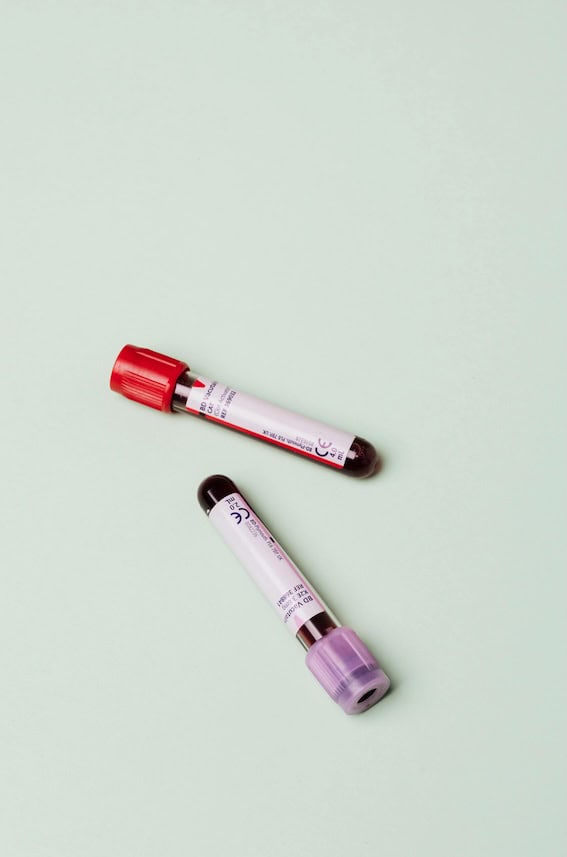
A small blood sample is taken from a vein in the arm. No fasting is required. Results are usually available within 24 to 48 hours.

When to Discuss Thyroid Results with a GP
Speak to a GP if:
- TSH or free T4 levels are outside your reference range
- You have symptoms of an underactive or overactive thyroid
- You take thyroid medication and need monitoring
- You have fatigue, mood changes or weight concerns
- You have a strong family history of thyroid issues
A GP can interpret hormone levels and discuss treatment or follow up.
Related Tests and Articles
Thyroid tests are often reviewed alongside:
- Full blood count
- Liver function tests
- HbA1c
- Lipid profile
- Vitamin D
- Iron, ferritin, B12 and folate
- Thyroid and endocrine medications
- Vitamins, supplements, and deficiency treatment
A private GP can review your concerns and help plan next steps.
For a wider overview of routine blood markers, you can visit our main Blood Tests section in the Knowledge Base.
If you would like to discuss your thyroid results or symptoms related to low or high thyroid function, you can book an online GP appointment for clear and personalised advice.
AccessGP Services
Our GMC-registered GPs offer same-day or next-day video and telephone consultations, providing convenient access to medical advice when you need it.
What We Offer:
Locations We Serve:
Available to patients in Milton Keynes, Bedford, Cambridge, Loughborough, Birmingham, Liverpool and throughout England.
Last reviewed by Dr Zamiel Hussain, GMC registered GP
Updated: 8 December 2025