

Liver Function Tests (LFTs)
Liver function tests assess a group of enzymes and proteins involved in liver health, inflammation and bile flow. These markers help identify liver irritation, alcohol-related changes, viral infections, metabolic conditions and the impact of medicines. LFTs are used in routine health checks, long term condition reviews and to investigate symptoms related to digestion, fatigue or abdominal discomfort.
What Liver Function Tests Measure
A liver profile usually includes:
- Alanine transaminase (ALT)
- Aspartate transaminase (AST)
- Alkaline phosphatase (ALP)
- Gamma-GT (GGT)
- Bilirubin
- Albumin
- Total protein
These markers help assess liver cell health, bile duct function and overall protein production.
Why Liver Function Tests Are Used
LFTs help identify:
- Liver inflammation
- Fatty liver disease
- Alcohol-related liver changes
- Viral hepatitis
- Bile duct obstruction
- Medicine-related liver irritation
- Autoimmune liver conditions
They are also used for routine monitoring if you take medicines that can affect liver enzymes, such as statins, certain antibiotics or long term pain medicines.
Common Reasons to Have Liver Function Tests
LFTs may be arranged if you experience:
- Persistent fatigue or low energy
- Yellowing of the skin or eyes
- Abdominal discomfort or bloating
- Dark urine or pale stools
- Nausea or appetite changes
- Alcohol intake concerns
- Raised cholesterol requiring statin monitoring
LFTs are also included in many general health assessments and metabolic reviews.
Understanding Liver Function Patterns
Raised ALT or AST
Often linked to liver cell irritation. Causes include fatty liver disease, alcohol intake, viral infection or certain medicines.
Raised ALP or GGT
May reflect bile flow issues, gallbladder inflammation, alcohol-related changes or enzyme induction from medicines.
Raised bilirubin
Can occur with liver inflammation, bile duct problems or breakdown of blood cells.
Low albumin
Usually related to long term liver conditions, inflammation or nutritional issues.
Temporary fluctuations
Exercise, alcohol, medicines and recent illness can influence results.

How the Test Is Performed
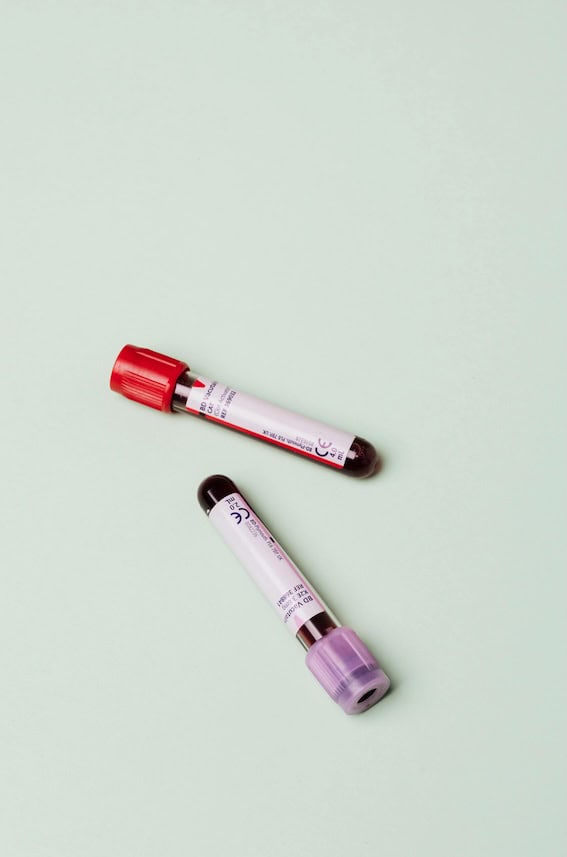
A small blood sample is taken from a vein in the arm. No fasting is required unless your clinician advises a combined fasting profile. Results are typically available within 24 to 48 hours.

When to Discuss Liver Function Results with a GP
Speak to a GP if:
- Any reading is outside your reference range
- You drink alcohol regularly
- You take long term medicines affecting the liver
- You have abdominal symptoms or unexplained tiredness
- You have known metabolic or liver conditions
A GP can interpret LFTs in context and advise whether further tests or lifestyle changes are needed.
Related Tests and Articles
These tests/assessments are often reviewed alongside liver function:
- Full blood count
- Kidney function tests
- Lipid profile
- HbA1c
- CRP or ESR
- Ultrasound of the liver and gallbladder
- Monitoring and follow-up
A private GP can review your concerns and help plan next steps.
For a wider overview of routine blood markers, you can visit our main Blood Tests section in the Knowledge Base.
If you would like to discuss liver function results or symptoms related to liver health, you can book an online GP appointment for clear and personalised advice.
AccessGP Services
Our GMC-registered GPs offer same-day or next-day video and telephone consultations, providing convenient access to medical advice when you need it.
What We Offer:
Locations We Serve:
Available to patients in Milton Keynes, Bedford, Cambridge, Loughborough, Cobham, Chelmsford and throughout England.
Last reviewed by Dr Zamiel Hussain, GMC registered GP
Updated: 8 December 2025