

Kidney and Renal Function Tests (U+Es)
Kidney function tests (also referred to as U+Es for urea and electrolytes) assess how well the kidneys filter waste, balance electrolytes and regulate fluid in the body. These markers help identify dehydration, acute kidney strain, chronic kidney disease and medication effects. Renal testing is used in routine health checks, long term condition reviews and symptom-based investigations.
What Kidney Function Tests Measure
A renal profile usually includes:
- Urea
- Creatinine
- Estimated glomerular filtration rate (eGFR)
- Sodium
- Potassium
- Bicarbonate
- Chloride
These values help assess waste removal, electrolyte balance and overall kidney efficiency.
Why Kidney Function Tests Are Used
Kidney markers help identify:
- Early or chronic kidney disease
- Temporary kidney strain
- Electrolyte imbalances
- Dehydration
- Acute kidney injury
- Side effects from certain medicines
They are also used to monitor long term conditions such as diabetes, high blood pressure and cardiovascular disease.
Common Reasons to Have Kidney Function Tests
A renal profile may be arranged if you have:
- Tiredness or low energy
- Swelling around the eyes or legs
- Changes in urination
- High blood pressure
- Diabetes
- Concerns about dehydration
- Possible kidney inflammation or infection
Kidney tests are also used during medication reviews and general health assessments.
Understanding Kidney Function Patterns
Raised urea or creatinine
Often linked to dehydration, reduced kidney filtration or temporary kidney strain.
Low eGFR
Suggests reduced kidney function. Levels naturally fall with age but persistently low readings require monitoring.
Electrolyte changes
Shifts in sodium, potassium or bicarbonate may indicate dehydration, kidney problems, hormonal imbalance or medicine effects.
Temporary fluctuations
Fluid intake, illness, exercise and infection can influence kidney markers.

How the Test Is Performed
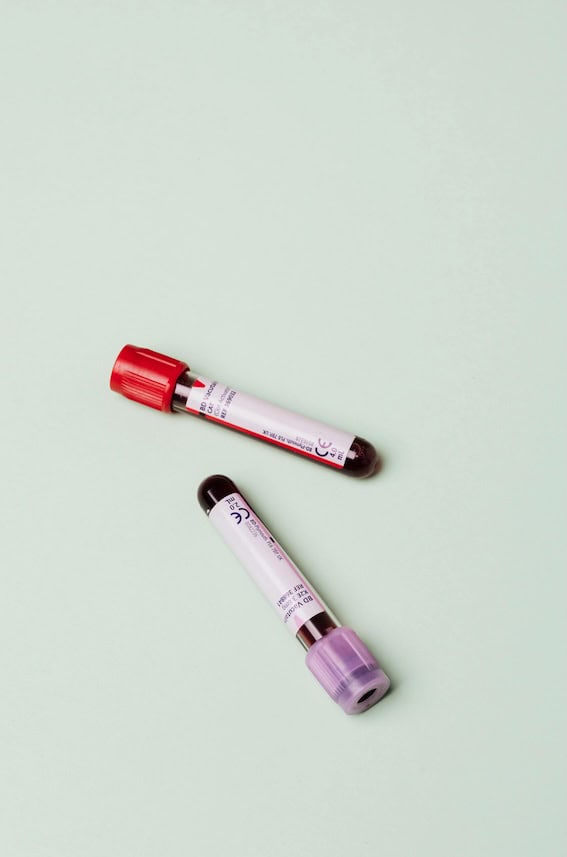
A small blood sample is taken from a vein in your arm. No fasting is required. Drinking water beforehand can make the test easier. Results are usually ready within 24 to 48 hours.

When to Discuss Kidney Results with a GP
Speak to a GP if:
- Any result falls outside your laboratory reference range
- You take medicines that affect kidney function
- You have symptoms such as swelling or changes in urination
- You have diabetes or high blood pressure and require monitoring
A GP can interpret your results in context and advise on next steps.
Related Tests and Articles
These tests/assessments are often reviewed alongside kidney function:
- Full blood count
- Liver function tests
- Vitamin D
- HbA1c
- Blood pressure review
- Understanding test results
- Monitoring and follow-up
A private GP can review your concerns and help plan next steps.
For a wider overview of routine blood markers, you can visit our main Blood Tests section in the Knowledge Base.
If you would like to discuss kidney function results or symptoms related to kidney health, you can book an online GP appointment for clear and personalised advice.
AccessGP Services
Our GMC-registered GPs offer same-day or next-day video and telephone consultations, providing convenient access to medical advice when you need it.
What We Offer:
Locations We Serve:
Available to patients in Milton Keynes, Bedford, Cambridge, Loughborough, Cobham, Chelmsford and throughout England.
Last reviewed by Dr Zamiel Hussain, GMC registered GP
Updated: 8 December 2025