
Migraine: Symptoms, Triggers and Treatment
Migraine is a common neurological condition that causes recurrent, often severe headaches. Many people also feel sick, are sensitive to light or sound, or notice warning symptoms called an aura.
Migraine can be disabling, but it is very treatable. The right acute treatment, a plan for prevention and an understanding of your triggers can reduce how often attacks happen and how much they affect your life.
This page explains how migraine is recognised, the treatments a GP may discuss, and when headache symptoms need urgent assessment.
These articles are intended as educational sources, not diagnostic nor taking place of a proper medical assessment. If you need help, please book an appointment with one of our GP’s.
What is migraine?
Migraine is more than a bad headache. It is a recurring condition where attacks typically last from 4 hours to 3 days. Common features include:
- A moderate or severe throbbing or pulsing headache, often on one side
- Pain that worsens with routine activity, such as climbing stairs
- Feeling sick or being sick
- Sensitivity to light, sound or smells
- Wanting to lie still in a dark, quiet room
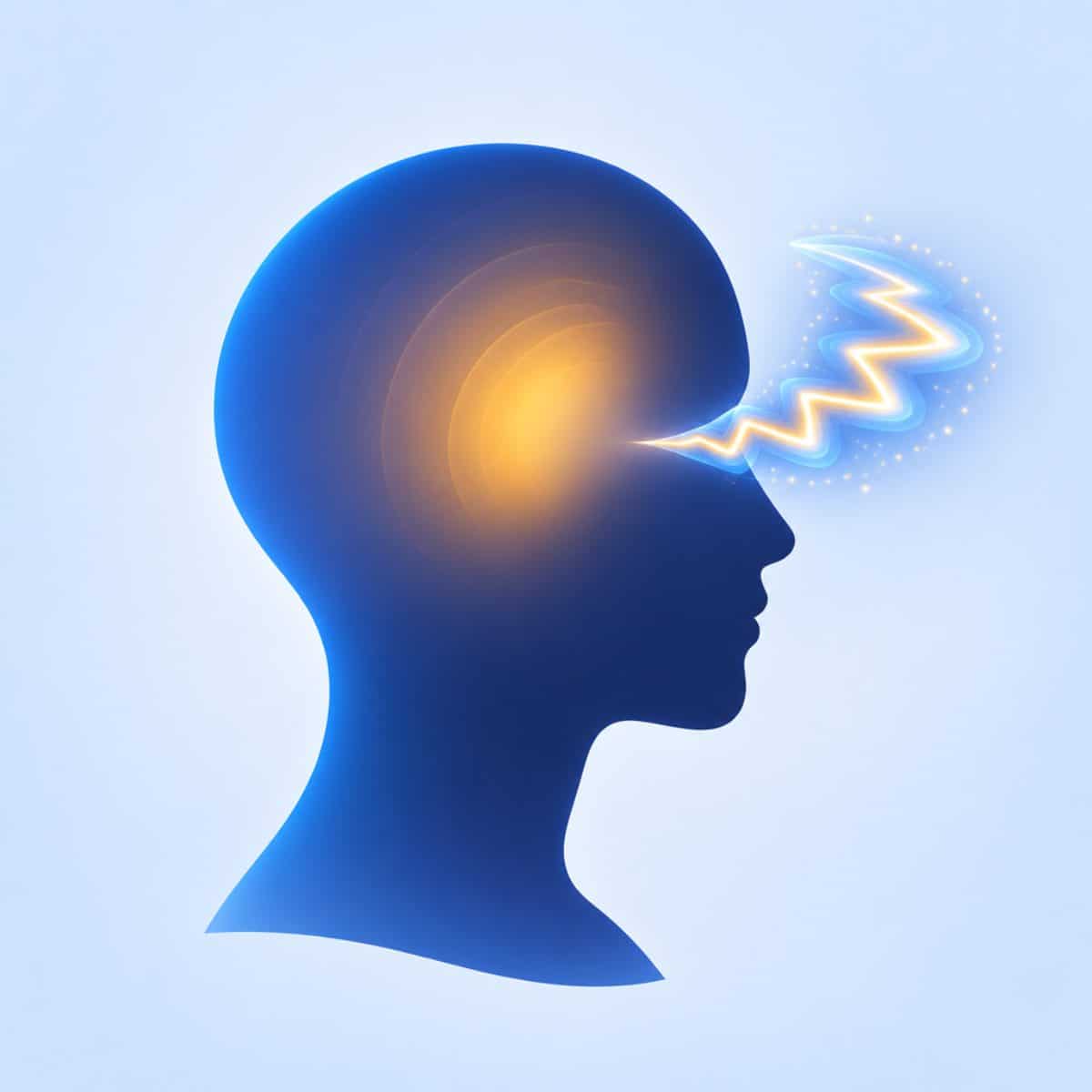
Around one in three people with migraine have an aura before or during the headache, such as zigzag lines, flashing lights, blind spots or tingling that spreads slowly over several minutes.
How migraine is diagnosed
Migraine is diagnosed from your history. A GP will ask about the pattern of your headaches, how long they last, associated symptoms, any aura and what you take for them. Most people with migraine do not need a scan.
A headache diary, recording attacks, possible triggers, periods and medicines used, is one of the most useful tools for diagnosis and for judging whether treatment is working.
Common migraine triggers
Triggers vary between people and often combine. Knowing yours can help reduce attacks.
Hormonal changes
Many women notice attacks around their period. This is called menstrual migraine and may need a specific treatment plan.
Sleep
Too little sleep, too much sleep or a change in routine, such as a lie-in at the weekend, can bring on an attack.
Missed meals and dehydration
Skipping meals or not drinking enough fluid are common, avoidable triggers.
Stress and let-down
Attacks often happen during stress or as stress eases, for example at the start of a holiday.
Caffeine and alcohol
Both can trigger migraine, and caffeine withdrawal can too. Keeping intake steady helps.
Too many painkillers
Taking painkillers or triptans too often can cause medication overuse headache, which makes headaches more frequent.
Treating a migraine attack
Treatment works best when taken early in the attack, as soon as the headache starts. Options include:
- Simple painkillers such as ibuprofen, aspirin or paracetamol
- Triptans, such as sumatriptan, which are specific migraine medicines
- A triptan combined with an anti-inflammatory such as naproxen
- Anti-sickness medicines, which also help other medicines absorb
Opioid painkillers such as codeine are not recommended for migraine. They work poorly and increase the risk of medication overuse headache.

Preventing migraine
If you have frequent or disabling attacks, a preventive medicine taken every day may help. A GP may discuss:
- Propranolol, a beta blocker
- Amitriptyline, taken at a low dose at night
- Candesartan, a blood pressure medicine also used for migraine
- Topiramate, which is only suitable with strict pregnancy prevention
Preventive treatment usually needs 2 to 3 months to judge whether it is working. Specialist treatments, such as newer CGRP medicines, may be considered if several options have not helped.

Migraine, hormones and contraception
Hormones have a strong influence on migraine. Things a GP may consider include:
- Whether attacks are linked to your periods
- Whether your contraception is suitable
- Hormone changes around pregnancy and the menopause
- Whether HRT is affecting your symptoms
If you have migraine with aura, the combined contraceptive pill, patch or ring are not usually recommended because of a small increase in stroke risk. A GP can advise on safer alternatives.

Living well with migraine
Alongside medicines, everyday habits can make a real difference:
- Keep regular sleep and meal times
- Drink enough water through the day
- Stay active with regular exercise
- Keep caffeine intake steady
- Use a diary to spot patterns
Aim to take acute migraine treatment on no more than 2 to 3 days a week. If you need it more often than this, it is worth reviewing your treatment with a GP.

How an online GP can help
Migraine is well suited to an online consultation because diagnosis depends mainly on a careful history. A GP can:
- Confirm whether your headaches fit migraine
- Review what you have tried and how often
- Prescribe triptans or preventive treatment where appropriate
- Check your contraception is suitable
- Refer you to a specialist if needed
Having your headache diary and a list of current medicines to hand makes the consultation more useful. If your current treatment is not working well, a GP medication review can help, and evening and weekend appointments are available.

When to seek help
Book a GP review soon if:
- Your headaches are becoming more frequent or severe
- Treatment is not working or you need it most days
- You have migraine with aura and take the combined pill
- Your headaches have changed in pattern
Get urgent help if you have any of the warning signs below, especially a sudden severe headache or new weakness.
When to seek urgent medical help
Call 999 or go to A&E immediately if:
- A sudden, very severe headache that peaks within a minute or two
- Headache with a high temperature, stiff neck or a new rash
- New weakness, numbness, drooping of the face or slurred speech
- New confusion, drowsiness or a seizure
- A headache after a head injury
- Aura lasting more than an hour or a first aura after the age of 50
These symptoms can be signs of a serious condition such as a bleed in the brain, meningitis or a stroke, and need emergency assessment.

Frequently asked questions
Is migraine just a bad headache?
No. Migraine is a neurological condition with recurrent attacks that often include nausea, sensitivity to light and sound, and sometimes an aura. It can be very disabling.
Do I need a brain scan for migraine?
Usually not. Migraine is diagnosed from your symptoms. A scan is only needed if there are warning features that suggest another cause.
Can I take a triptan with ibuprofen?
Often yes, and the combination can work better than either alone. A GP or pharmacist can check it is safe with your other medicines.
Why does my migraine come back the next day?
This is called recurrence and is common. A second dose of a triptan may help, or a GP may suggest a different treatment.
Can an online GP prescribe migraine treatment?
Yes. An online GP can assess your symptoms and, where appropriate, prescribe acute or preventive treatment and arrange follow-up.
Further Reading and Hub Links
Visit our Brain and Nerve Health hub or browse more health topics in the AccessGP Knowledge Base. Our guide to migraine medicines may also help. For more on migraine, see the NHS guide to migraine.
If you would like a GP to review your migraines, talk through treatment options or check whether a preventive medicine could help, you can book an online appointment at a time that suits you. Our GMC-registered GPs offer same-day or next-day video and telephone consultations.
AccessGP Services
Our GMC-registered GPs offer same-day or next-day video and telephone consultations, providing convenient access to medical advice when you need it.
What We Offer:
Locations We Serve:
Available to patients in Sevenoaks, Warwick, Peterborough, Hornchurch, Newcastle upon Tyne, Birmingham and throughout England.
Reviewed by Dr Zamiel Hussain, GP · GMC number 7486123 (check the GMC register) · About Dr Hussain
Updated: 21 November 2026