

Taking GLP-1 Weight Loss Medications Safely: A GP’s Practical Guide
GLP-1 medications are increasingly used to support weight loss and metabolic health under medical supervision. This guide explains how these medicines work, what to expect, how to take them safely, and when to seek medical advice. It reflects real-world UK GP practice. The information is a brief overview and for any queries about your treatment, always seek professional advice through a consultation.
These articles are intended as educational sources, not diagnostic nor taking place of a proper medical assessment. If you need help, please book an appointment with one of our GP’s.
What are GLP-1 weight loss medications?
Tirzepatide is a dual GIP/GLP-1 receptor agonist, not simply a GLP-1 receptor agonist. Medicines and formulations also vary: liraglutide is normally injected daily, while semaglutide now also has oral formulations. The article should also distinguish between products licensed for weight management and products licensed only for diabetes. For example, Wegovy is licensed for weight management, whereas Ozempic and Rybelsus are not licensed for weight loss in the UK; Mounjaro is licensed for both indications.
They work by:
- Reducing appetite
- Increasing feelings of fullness
- Slowing stomach emptying
- Improving insulin sensitivity and glucose control
These medications are licensed for diabetes and are commonly prescribed in the UK to support weight loss following medical assessment.
Who may be suitable for GLP-1 treatment?
GLP-1 medications may be considered for adults who:
- Have obesity or a raised BMI in line with national guidance
- Have attempted lifestyle changes without sufficient success
- Have no contraindications following GP assessment
They are not suitable for everyone and should only be used under medical supervision.
What to expect when starting treatment
The first 4 weeks
GLP-1 medications are started at a low dose and increased gradually over time. This approach allows the body to adapt and helps minimise side effects.
During the early stages of treatment, many people notice:
- Reduced appetite and earlier fullness
- Slower digestion
- Changes in eating patterns
- Mild gastrointestinal symptoms
Weight loss is typically gradual and varies between individuals. Some people experience noticeable changes early on, while others see more benefit after dose increases. This variation is normal and does not mean the treatment is ineffective.
Dose increases and ongoing treatment
Dose increases are not automatic. The next dose should only be started when the current dose is being tolerated and following the agreed prescribing plan. A clinician may delay escalation when side effects are significant or when there are other practical safety concerns. Do not increase the dose while acutely unwell, vomiting, dehydrated or unable to obtain appropriate clinical advice.
This slow titration helps minimise side effects. Doses should only be increased following a medical review. Patients should not self-adjust dosing.
Coming off GLP-1 treatment and dose reduction
GLP-1 medications are not necessarily lifelong treatments. Some people may reach a point where they wish to reduce the dose or stop treatment altogether, for example after achieving weight loss goals or if side effects become problematic.
Stopping GLP-1 therapy can lead to a return of appetite and some weight regain, particularly if lifestyle changes are not well established. For this reason, any decision to reduce or stop treatment should be planned and supported by a clinician.
In some cases, a gradual dose reduction rather than abrupt stopping may help minimise gastrointestinal symptoms and allow time to reinforce long-term eating habits. The best approach varies between individuals and should be guided by medical review.
Common side effects
Most side effects are mild to moderate and improve with time.
Common side effects include:
- Nausea
- Vomiting
- Diarrhoea
- Constipation
- Bloating
- Reflux symptoms
Helpful tips:
- Eat slowly and stop when full
- Choose smaller meals
- Avoid very fatty foods initially
- Stay well hydrated
Hair loss and other common concerns
Some people notice temporary hair thinning during weight loss treatment. This is usually related to rapid weight loss or reduced calorie intake, rather than a direct effect of GLP-1 medications. This type of hair shedding, known as telogen effluvium, is typically reversible once weight stabilises.
To reduce the risk:
- Maintain adequate protein intake
- Avoid very low calorie diets unless supervised
- Ensure nutritional deficiencies are addressed if suspected
Hair regrowth usually occurs over several months.
Other commonly raised concerns include:
Fatigue
Mild tiredness can occur, particularly during early dose increases. This often improves as the body adjusts.
Cold sensitivity
Weight loss can reduce insulation and change metabolism, leading some people to feel colder than usual.
Changes in bowel habit
Constipation or looser stools are common and usually settle with hydration, fibre adjustment and time.
Reduced enjoyment of food
Some people report less interest in food. This can be helpful for weight loss but may require mindful eating to maintain balanced nutrition.
If symptoms are persistent or concerning, they should be discussed with a clinician.
Less common but important risks
GLP-1 medications are generally well tolerated when prescribed appropriately, but like all medical treatments they carry some less common risks. Understanding these helps patients recognise when to seek medical advice and allows treatment to be used safely.
Gallbladder problems
Weight loss itself, particularly when it is rapid, can increase the risk of gallstones. This risk is not unique to GLP-1 medications and is seen with many forms of significant weight reduction.
GLP-1 treatments may slightly increase this risk in some people, especially during the early stages of weight loss. Symptoms to be aware of include:
- Right-sided upper abdominal pain
- Pain after eating, particularly fatty meals
- Nausea or vomiting
- Fever or feeling unwell
People with known gallbladder disease may require additional assessment before starting treatment. New or persistent symptoms should always be discussed with a clinician.
Pancreatitis
Acute pancreatitis is an uncommon but recognised potential adverse effect of GLP-1 and dual GIP/GLP-1 medicines. Rare cases of severe, necrotising and fatal pancreatitis have been reported.
Stop the medication and seek urgent medical attention if you develop severe, persistent abdominal pain, particularly if it spreads to the back or is accompanied by nausea or vomiting. If pancreatitis is confirmed, the medicine should not be restarted.
Symptoms of pancreatitis include:
- Severe upper abdominal pain
- Pain that spreads through to the back
- Persistent vomiting
- Feeling acutely unwell
Anyone experiencing these symptoms should stop the medication and seek urgent medical attention. GLP-1 treatment should only be restarted following medical review.
Why monitoring matters
Because these risks are uncommon but important, GLP-1 medications should always be prescribed following appropriate clinical assessment. Monitoring symptoms, dose escalation and relevant blood tests helps reduce risk and ensures treatment remains safe and effective over time.
When to Seek Urgent Help
Stop the medication and seek urgent care if you develop:
- Severe or persistent abdominal pain
- Pain radiating to the back
- Repeated vomiting
- Fever or jaundice
- Signs of dehydration

Lifestyle still matters
GLP-1 medications are most effective when combined with sustainable lifestyle changes. These treatments support appetite regulation and metabolic health but do not replace the need for balanced nutrition, regular activity and long-term behaviour change.
Weight loss tends to plateau over time, and maintaining results often requires continued attention to lifestyle habits. If treatment is stopped, some degree of weight regain can occur. This should be discussed as part of ongoing care.
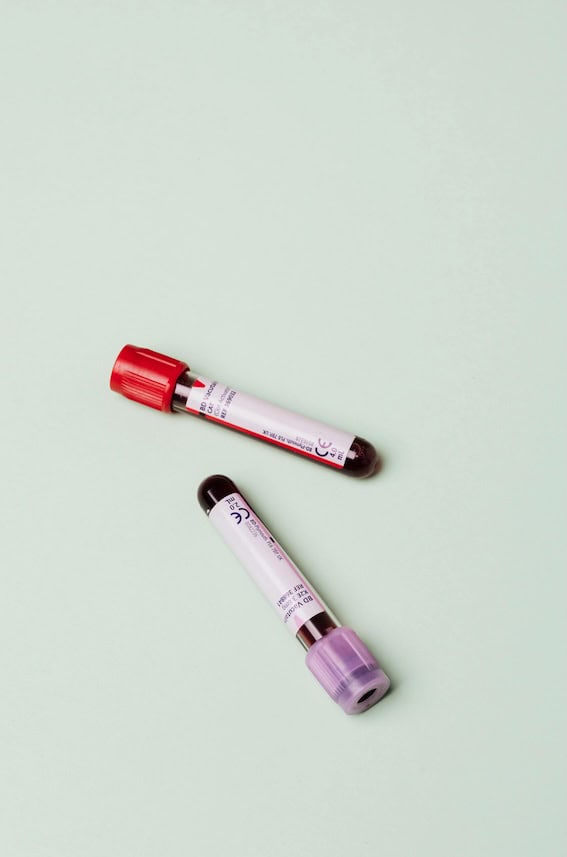
Blood tests and monitoring
Before starting GLP-1 treatment, clinicians may recommend baseline blood tests to assess metabolic health and exclude conditions that could affect safety.
- Kidney function
- Liver enzymes
- HbA1c
- Lipid profile including triglycerides
Monitoring during treatment depends on individual risk factors, response to therapy and any new symptoms that develop. Not everyone requires frequent blood testing, but results can help guide safe dose escalation and longer-term planning.

This article is for general information only and does not replace an individual medical consultation. GLP-1 medications should only be started following assessment by a qualified healthcare professional.
Further Reading and Hub Links
Visit our Diabetes and Endocrine Health hub or browse more health topics in the AccessGP Knowledge Base.
If you would like to discuss safe weight management with a GP, visit our weight loss consultation page.
AccessGP Services
AccessGP provides GP consultations via secure video or telephone appointment for same day medical queries, medication reviews, clinical advice and private referrals.
What We Offer:
Locations We Serve:
Available to patients in Chigwell, Croydon, Cambridge, Bedford, Coventry, Manchester, Liverpool and throughout England.
Last reviewed by Dr Zamiel Hussain, GMC registered GP
Updated: 15 July 2026