

Pins and Needles, Numbness and Sciatica: Common Nerve Symptoms
Pins and needles, numbness and shooting pains are common nerve symptoms. Most are harmless and short-lived, such as a foot that goes to sleep after sitting awkwardly, but persistent symptoms deserve a proper assessment.
Common causes include a trapped nerve in the neck or lower back, carpal tunnel syndrome, low vitamin B12 and nerve damage from diabetes. Sciatica, where a trapped nerve causes pain down the leg, is one of the most common.
This page explains the usual causes of nerve symptoms, how sciatica is treated and which symptoms need urgent help.
These articles are intended as educational sources, not diagnostic nor taking place of a proper medical assessment. If you need help, please book an appointment with one of our GP’s.
What causes pins and needles and numbness?
The pattern of symptoms gives important clues. Common causes include:
- Pressure on a nerve, such as sitting or sleeping in one position
- A trapped nerve in the neck, causing symptoms down the arm
- A trapped nerve in the lower back, causing sciatica down the leg
- Carpal tunnel syndrome, affecting the thumb and first fingers
- Peripheral neuropathy, often starting in both feet, linked to diabetes, low B12 or alcohol
- Breathing fast during anxiety, causing tingling in both hands and around the mouth
Symptoms on one side of the body that start suddenly, especially with weakness, are different and may be a stroke.
How nerve symptoms are assessed
A GP will ask where the symptoms are, how they started, whether they come and go, and whether there is weakness, pain or other symptoms. The distribution of symptoms often points to which nerve is involved.
Blood tests are often useful, including vitamin B12, folate, HbA1c for diabetes, thyroid function and kidney function. Further tests such as nerve studies or a scan are only needed in some cases.
Common causes at a glance
These are some of the most frequent causes a GP will consider.
Sciatica
A trapped or irritated nerve in the lower back causes pain, tingling or numbness spreading down the leg, often below the knee.
Trapped nerve in the neck
Cervical radiculopathy causes pain and tingling down one arm, sometimes into specific fingers.
Vitamin B12 deficiency
Low B12 can cause tingling in the hands and feet, tiredness and memory problems. It is easily tested and treated.
Diabetic neuropathy
Raised blood sugar over time can damage nerves, usually starting in the feet. Good diabetes control helps protect nerves.
Alcohol and medicines
Regular heavy drinking and some medicines can damage nerves. A GP can review this with you.
Anxiety and hyperventilation
Fast breathing can cause tingling in both hands and around the lips, which settles as breathing slows.
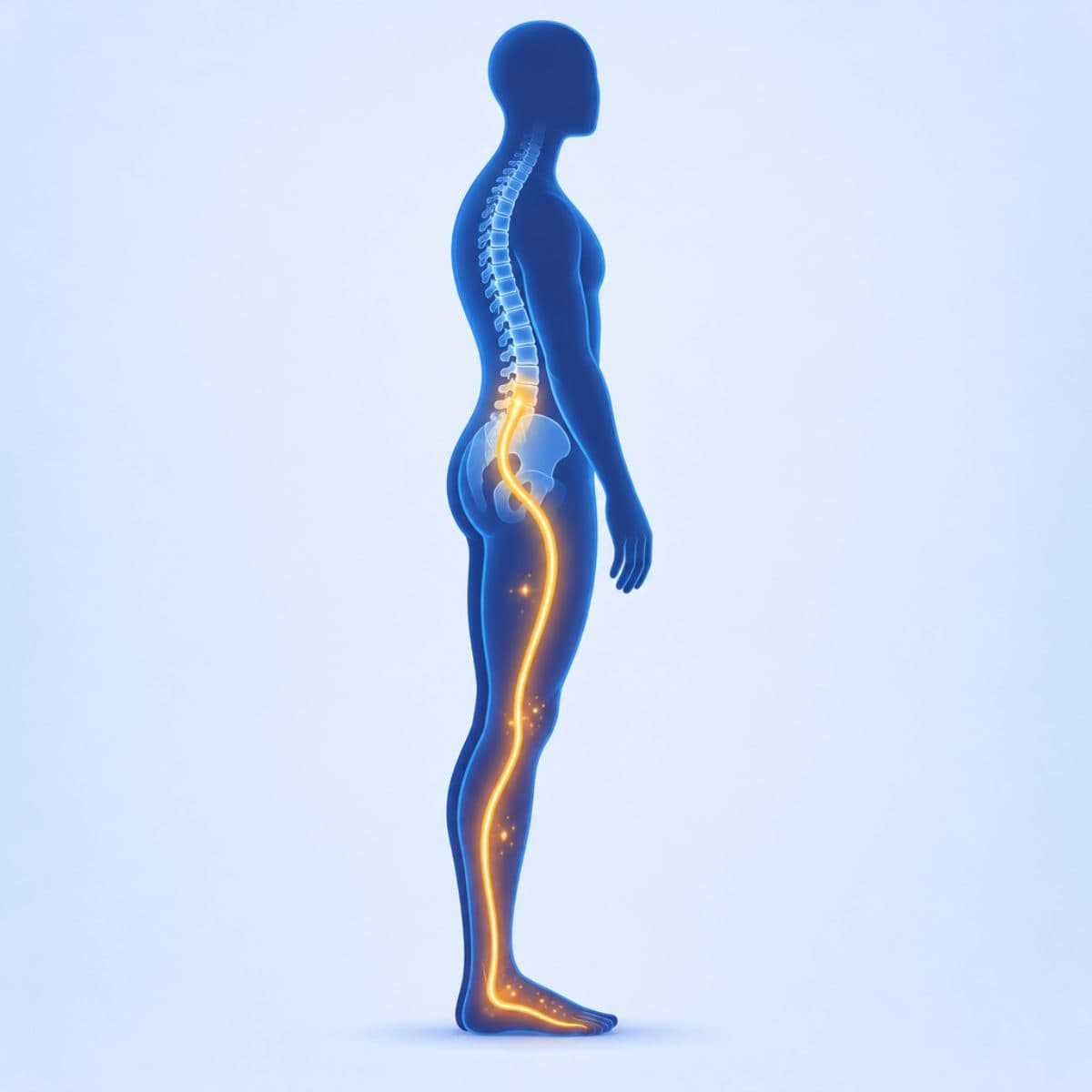
Treating sciatica
Most sciatica improves within 4 to 6 weeks. The most helpful steps are:
- Staying as active as possible rather than resting in bed
- Gentle exercises and stretches for the back
- Anti-inflammatory painkillers such as ibuprofen, if suitable for you
- Heat packs to ease muscle spasm
UK guidance does not recommend medicines such as gabapentin or pregabalin for sciatica, and opioids are not recommended for long-term sciatica. A GP can discuss the safest options.

When sciatica does not settle
If symptoms persist or are severe, further options include:
- Physiotherapy and a structured exercise programme
- A referral for a specialist opinion
- An MRI scan if surgery or injection is being considered
- Spinal injections or surgery in selected cases
Persistent leg pain from sciatica can be very wearing. Let a GP know if it is affecting your sleep, work or mood.

B12, diabetes and nerve health
Several treatable conditions can cause nerve symptoms, so blood tests are often worthwhile:
- Vitamin B12 and folate levels
- HbA1c to check for diabetes
- Thyroid function
- Kidney function
Low B12 is especially common in people who follow a vegan diet, take metformin or acid-reducing medicines, or have stomach or bowel conditions. Treating it early can prevent lasting nerve damage.

Looking after your nerves
Everyday habits can help prevent and ease nerve symptoms:
- Change position regularly when sitting
- Keep active to support your back and neck
- Keep alcohol within recommended limits
- Check your feet daily if you have diabetes or numb feet
If your feet are numb, you may not notice cuts or blisters, so wear well-fitting shoes and check your skin regularly.

How an online GP can help
Many nerve symptoms can be assessed well by video. A GP can:
- Work out the most likely cause from your symptoms
- Arrange blood tests for B12, diabetes and thyroid function
- Advise on managing sciatica and a trapped nerve
- Prescribe or review pain relief where appropriate
- Refer you for scans, nerve tests or specialist care if needed
If you have any of the warning signs below, an online consultation is not appropriate and you should seek emergency care. If a scan is clinically appropriate, for example sciatica that is not settling, a GP can refer you for a private MRI scan. Our Anaemia Screen Blood Test checks B12 and folate, and the General Health Blood Test includes HbA1c and thyroid function.

When to seek help
Book a GP review if:
- Tingling or numbness lasts more than a few weeks
- Symptoms are spreading or getting worse
- Sciatica has not improved after 4 to 6 weeks
- You have numb feet and diabetes
Get urgent help if you have any of the warning signs below.
When to seek urgent medical help
Call 999 or go to A&E immediately if:
- Sudden numbness or weakness of the face, arm or leg, especially on one side
- Slurred speech or confusion
- Numbness around the genitals or bottom, or in the saddle area
- New difficulty passing urine, loss of bladder or bowel control
- Sciatica in both legs, or rapidly worsening leg weakness
- Weakness spreading up both legs over hours or days
These symptoms can be signs of a stroke, cauda equina syndrome or another serious nerve problem and need emergency assessment. Go to A&E immediately if you have saddle numbness or bladder or bowel changes with back pain.

Frequently asked questions
When should I worry about pins and needles?
If symptoms are sudden and one-sided, come with weakness, or last more than a few weeks, they should be assessed. Sudden symptoms with weakness may be a stroke.
How long does sciatica last?
Most sciatica improves within 4 to 6 weeks, although some people have symptoms for longer.
Can low vitamin B12 cause tingling?
Yes. B12 deficiency is a common, treatable cause of tingling in the hands and feet. A simple blood test can check your level.
Should I rest with sciatica?
No. Staying active as much as possible helps recovery more than bed rest.
What is cauda equina syndrome?
It is a rare emergency where nerves at the bottom of the spine are compressed. Warning signs include numbness around the genitals or bottom and bladder or bowel changes.
Further Reading and Hub Links
Visit our Brain and Nerve Health hub or browse more health topics in the AccessGP Knowledge Base. Our guide to lower back pain may also help. For more on sciatica, see the NHS guide to sciatica.
If you have ongoing pins and needles, numbness or sciatica and would like a GP to assess it, you can book an online appointment at a time that suits you. Our GMC-registered GPs offer same-day or next-day video and telephone consultations.
AccessGP Services
Our GMC-registered GPs offer same-day or next-day video and telephone consultations, providing convenient access to medical advice when you need it.
What We Offer:
Locations We Serve:
Available to patients in Sevenoaks, Warwick, Peterborough, Hornchurch, Newcastle upon Tyne, Birmingham and throughout England.
Reviewed by Dr Zamiel Hussain, GP · GMC number 7486123 (check the GMC register) · About Dr Hussain
Updated: 21 November 2026