

Cardiovascular Risk and Screening
Cardiovascular risk refers to the likelihood of developing heart disease or stroke over time. GPs use a combination of medical history, lifestyle factors, blood test results and blood pressure readings to estimate long-term risk. This helps guide sensible discussions around lifestyle changes and when further monitoring may be helpful.
These articles are intended as educational sources, not diagnostic nor taking place of a proper medical assessment. If you need help, please book an appointment with one of our GP’s.
What Cardiovascular Risk Means
Cardiovascular risk is not based on one single result. Instead, it reflects a combination of factors that build up over many years. These include:
- age and sex
- blood pressure readings
- cholesterol and lipid profile
- smoking history
- weight and waist measurements
- family history of early heart disease
- conditions such as diabetes or kidney disease
Risk scores help put these factors into context.
What GPs Commonly Use (QRISK and Similar Tools)
In UK primary care, the most widely used tool is QRISK, which estimates the chance of developing cardiovascular disease over the next 10 years. It considers multiple variables together rather than focusing on a single marker.
QRISK and other tools are not diagnostic. They provide a guide to help identify people who may benefit from lifestyle changes, monitoring, or treatment discussions with their usual GP.
What Influences Cardiovascular Risk
Several factors can increase long-term cardiovascular risk, including:
Age and sex
Risk naturally rises with age, and men are typically at higher risk earlier in life.
Blood pressure
Persistent raised readings contribute significantly to long-term risk.
Cholesterol and lipid levels
Higher LDL levels, lower HDL levels or raised triglycerides can all influence risk calculations.
Lifestyle habits
Smoking, heavy alcohol use, low activity, poor diet and chronic stress all add to cumulative risk.
Family history
A history of early heart disease in close relatives can increase personal risk.
Other conditions
Diabetes, kidney disease and inflammatory conditions can also influence risk.

How GPs Assess Cardiovascular Risk
A GP may review:
- blood pressure patterns
- cholesterol and lipid profile
- weight and waist circumference
- personal and family medical history
- lifestyle factors such as diet, exercise, sleep and smoking
- blood tests like HbA1c or kidney function
Risk scoring is used alongside professional judgement rather than in isolation.

What Happens After a Risk Assessment
Depending on the results, a GP may discuss:
- adjustments to diet, activity and lifestyle
- reviewing alcohol or smoking habits
- repeat blood pressure or lipid checks
- referral to stop smoking or weight management services
- medication discussions where appropriate
- repeat assessments over time
The focus is on long-term prevention rather than short-term change.

How Cholesterol Is Usually Managed
Management focuses on long-term health rather than short-term changes. A GP may discuss:
- improvements in diet quality
- reducing saturated fats and processed foods
- increasing fibre, whole grains and plant-based options
- increasing physical activity
- reviewing alcohol intake
- considering medication when appropriate
- repeating tests over time to monitor progress
The approach varies from person to person depending on overall cardiovascular risk.
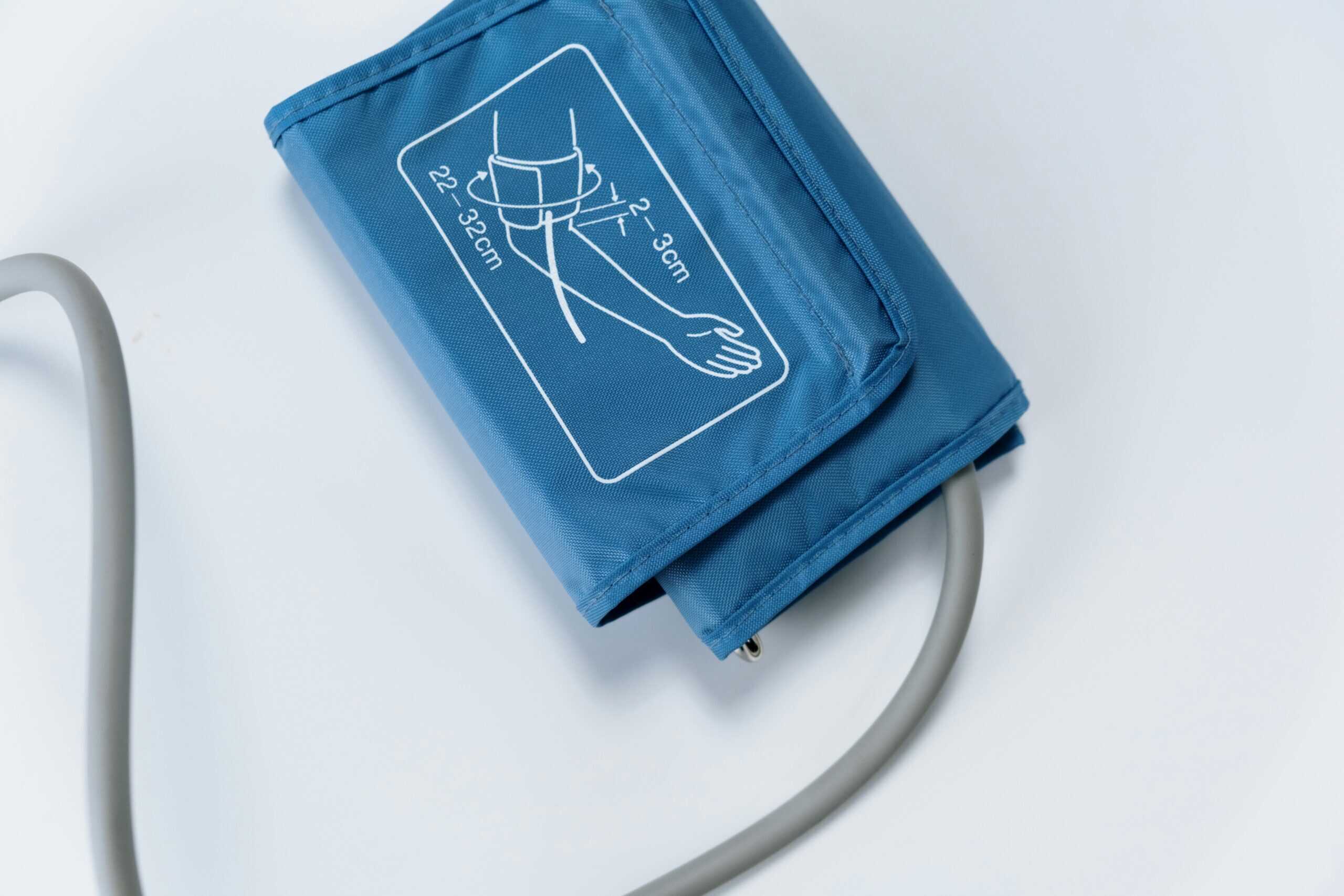
How Often Should Cardiovascular Risk Be Reviewed?
This varies from person to person. Many adults benefit from periodic reviews of:
- blood pressure
- cholesterol
- weight
- lifestyle factors
- family history updates
A GP can advise on the most appropriate interval, although an annual review can be common.

Further Reading and Hub Links
Visit our Heart Health hub or browse more health topics in the AccessGP Knowledge Base.
If you would like to review your cardiovascular risk or discuss lifestyle and prevention, you can book an online GP appointment.
AccessGP Services
Our GMC-registered GPs offer same-day or next-day video and telephone consultations, providing convenient access to medical advice when you need it.
What We Offer:
Locations We Serve:
Available to patients in Mansfield, Watford, Camden, Enfield, Brighton, Southampton and throughout England.
Last reviewed by Dr Zamiel Hussain, GMC registered GP
Updated: 10 December 2025