

Dermatology, Skin and Allergies Hub: GP Reviewed Information
Skin, hair, nail and allergy concerns are among the most common reasons adults seek GP advice. This section of the AccessGP Knowledge Base explains everyday dermatology topics, how symptoms may present and when a review can help guide treatment. Articles cover common rashes, acne, eczema, allergies, scalp issues and general skin health.
What this dermatology, skin and allergies section covers
This section includes GP reviewed summaries of common skin, hair, nail and allergy problems seen in everyday primary care. Articles describe how symptoms often present, what GPs look for on examination and when further tests or referral may be suggested.
The topics include:
- acne, spots and breakouts
- eczema (atopic eczema) and dermatitis
- psoriasis and other dry, scaly rashes
- urticaria, hives and allergic rashes
- rosacea and facial flushing
- skin infections such as cellulitis, impetigo and fungal infections
- scalp problems including dandruff and seborrhoeic dermatitis
- hair loss and thinning
- nail changes and infections
- hay fever symptoms and common allergies
These articles provide general skin health information rather than personalised medical advice.
Common reasons adults seek GP advice for skin or allergy symptoms
Adults often contact a GP when skin changes start to affect comfort, confidence or day to day life. Common reasons include:
- a new or worsening itchy rash
- dry, cracked or inflamed skin that is not settling with emollients
- acne on the face, chest or back that is leaving marks or scars
- red, bumpy or flushing skin on the cheeks or nose
- localised redness, heat or pain that may suggest infection
- sudden raised, itchy wheals that come and go
- recurring skin problems in skin folds or the scalp
- hair shedding or visible thinning
- nail thickening, discolouration or lifting
- seasonal or contact allergies causing skin or eye irritation
A GP reviews symptoms in context and helps decide whether self care, prescription treatments, patch testing or a referral to a dermatologist or allergy specialist is appropriate.
Types of dermatology and allergy topics explained in this section
Below is an overview of the main topics covered in this hub. Each has a dedicated article for more detail.
Acne and breakouts
Acne is caused by inflammation in hair follicles and oil glands. It can present as blackheads, whiteheads, deeper spots or cysts on the face, back or chest. A GP may discuss skin care, topical treatments, oral medicines and when to consider specialist referral.
Eczema and dermatitis
Eczema and dermatitis describe dry, inflamed, itchy skin that can crack or weep. Triggers include genetics, irritants, allergy and stress. Articles explain emollients, topical steroid use, flare management and when infection or more advanced treatments need consideration.
Psoriasis and dry scaly rashes
Psoriasis causes red, well defined plaques with silvery scale, often on the elbows, knees, scalp or trunk. Content covers common patterns, links with arthritis, topical treatments and when blood tests or referral may be needed.
Urticaria and allergic rashes
Urticaria is an itchy, raised rash that can move around the body. It is often triggered by infection, allergy, medicines or temperature changes. Articles explain antihistamines, avoidance strategies and when to seek urgent help for swelling of lips, tongue or breathing symptoms.
Rosacea and facial flushing
Rosacea commonly affects the nose, cheeks and forehead, causing redness, visible veins, spots or eye irritation. Topics include trigger identification, gentle skin care, topical and oral treatments and when to consider dermatology review.
Skin infections: cellulitis, impetigo and fungal infections
Skin infections may cause redness, itching, pain, warmth, crusting or blisters. A GP assesses severity, discusses antibiotic/anti-fungal choices when needed and explains signs that require same day assessment.
Scalp problems and dandruff
Flaking, itching or redness of the scalp can relate to seborrhoeic dermatitis, psoriasis or simple dandruff. This section discusses medicated shampoos, topical treatments and when to review for hair loss or infection.
Hair loss and thinning
Hair shedding or thinning may be related to genetics, hormonal change, nutritional factors or illness. Articles outline common patterns, blood tests that may be considered and treatment options.
Nail changes and infections
Thickened, discoloured or crumbly nails can relate to fungal infection, psoriasis or trauma. Content explains when simple monitoring is enough and when to consider treatment or nail sampling.
Hay fever and common allergies
Seasonal and various types of allergies overlap with skin conditions and are often known as “atopic” conditions. This page explores these common allergic profiles including hay fever and seasonal rhinitis.

How a GP assesses skin and allergy concerns in practice
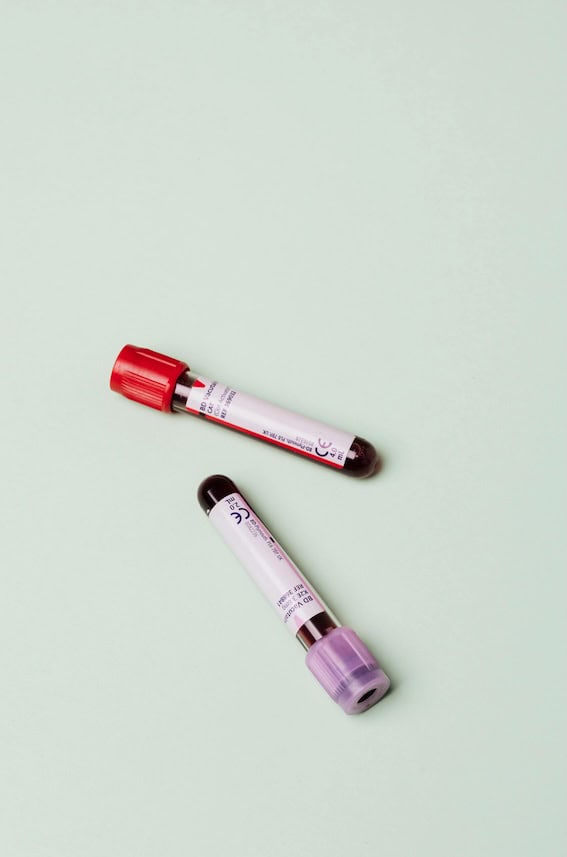
Skin consultations often combine a visual assessment of the rash or lesion, a timeline of symptoms, trigger review and relevant past history such as asthma, hay fever or previous eczema. A GP may use photographs, trial treatments or basic blood tests to help narrow down the cause. Management focuses on symptom relief, flare prevention and identifying any features that need specialist input.
Linking skin health to wider wellbeing
Skin problems can affect sleep, mood, concentration and self confidence. Conditions such as eczema, psoriasis and urticaria often sit alongside asthma, joint pain or allergy. Articles in this section link skin health to lifestyle factors, stress, weight, diet and environmental triggers, helping people understand how small changes may support overall wellbeing.

When to book a GP appointment about skin or allergy symptoms
Consider a GP consultation if:
- a rash has lasted more than two weeks or keeps coming back
- over the counter creams have not helped or have made things worse
- skin is cracked, painful or affecting sleep or work
- you suspect infection, for example spreading redness, oozing or crusts
- you have concerns about hair loss or nail changes
- itch, flushing or swelling is affecting quality of life
- allergies are not controlled by standard antihistamines
- you are unsure whether a symptom needs further investigation
A GP can review your concerns, advise on suitable treatments and arrange blood tests, or referral if needed.
Explore expert, GP-reviewed insights into your health across the AccessGP Knowledge Base.
If you would like to discuss a skin concern, you can book an online dermatology GP appointment with AccessGP.
Last reviewed by Dr Zamiel Hussain, GMC registered GP
Updated: 10 December 2025