

Testosterone Blood Test
A testosterone blood test is used to assess hormone levels relevant to energy, libido, mood, muscle strength and overall endocrine health. It is commonly arranged during men’s health reviews or when exploring symptoms linked to hormone balance. Testosterone results are interpreted alongside lifestyle factors, general health markers and symptoms.
What Testosterone Tests Measure
A testosterone profile may include:
- Total testosterone
- Free testosterone
- Sex hormone binding globulin (SHBG)
- Calculated free androgen index (FAI)
- Luteinising hormone (LH)
- Follicle-stimulating hormone (FSH)
- Prolactin (if clinically relevant)
Most routine PSA testing uses total PSA only.
These markers help assess hormone production, regulation, and potential causes of symptoms related to low or high testosterone levels.
Why Testosterone Testing Is Used
A GP may arrange a testosterone test to explore:
- Low energy or persistent fatigue
- Reduced libido
- Erectile symptoms
- Low mood
- Difficulty building or maintaining muscle
- Reduced shaving frequency or body hair changes
- Unexplained weight changes
- Symptoms of hormonal imbalance
- Fertility concerns
- Monitoring long term health conditions
A single testosterone result is never interpreted in isolation and must be considered with timing of the sample, symptoms and wider blood markers.
Common Reasons to Have a Testosterone Test
This test may be arranged if you have:
- Ongoing low mood or motivation
- Persistent tiredness
- Reduced sex drive
- Erectile changes
- Loss of muscle mass or strength
- Unexplained infertility
- Features of hormone imbalance
- Monitoring during long term conditions or certain medicines
Morning testing (usually before 10am) offers the most accurate assessment because testosterone follows a natural daily pattern.
Understanding Testosterone Patterns
Lower Testosterone (Hypogonadal range)
May relate to reduced hormone production, pituitary causes, lifestyle factors, certain medicines or chronic illness. Symptoms can overlap widely with other health conditions.
Borderline Testosterone
Often requires repeat morning testing and review of SHBG, LH and FSH. Lifestyle factors, stress and sleep patterns may influence levels.
Higher Testosterone
High readings can occasionally reflect supplements, incorrect timing, assay variation, or rare endocrine causes. Further testing is arranged only if clinically indicated.

How the Test Is Performed
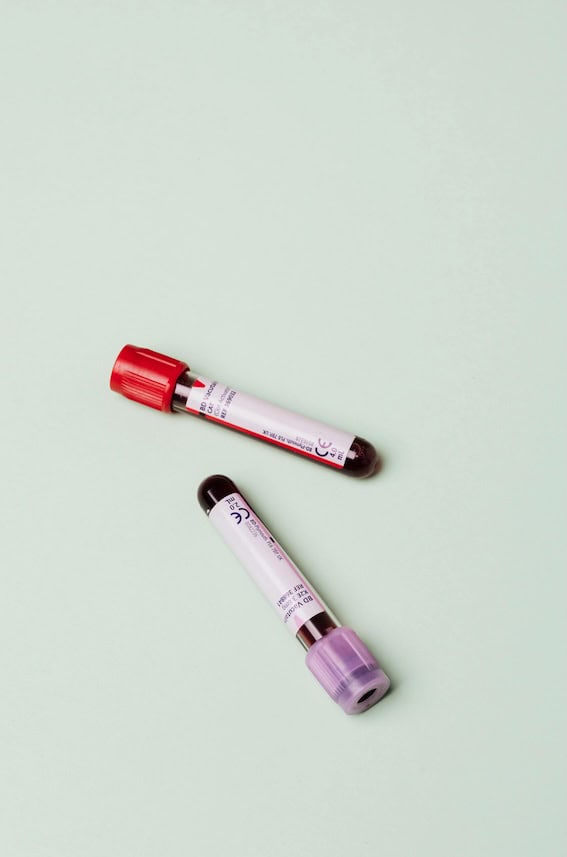
A small venous sample is taken from the arm.
Most profiles do not require fasting unless being combined with other tests.
Results typically return within 24 to 48 hours.

When to Discuss Testosterone Results with a GP
Speak to a GP if:
- Your result falls outside the age-related reference range
- You have symptoms that may relate to hormone imbalance
- You are unsure how to interpret SHBG, LH or FSH
- You take medicines or supplements that affect hormones
- You need advice on repeat testing or timing
- You have ongoing symptoms even with a “normal” reading
A GP can interpret testosterone results in the context of your medical history, lifestyle and wider blood markers.
Related Tests
These tests are often reviewed alongside a testosterone profile:
- SHBG and FAI
- LH and FSH
- Prolactin
- Thyroid function
- Vitamin D
- Full blood count
- Lipid profile
- Kidney function tests
- HbA1c
For a wider overview of routine blood markers, you can visit our main Blood Tests section in the Knowledge Base.
If you would like to discuss hormone results, review symptoms or plan a men’s health assessment, you can book an online GP appointment with AccessGP.
Last reviewed by Dr Zamiel Hussain, GMC registered GP
Updated: 8 December 2025