

Iron, Ferritin, B12 and Folate Blood Tests
Iron, ferritin, vitamin B12 and folate are key nutrients involved in energy production, red blood cell formation and overall wellbeing. These tests help identify causes of tiredness, low mood, breathlessness and other symptoms linked to deficiency or imbalance.
What These Tests Measure
A combined nutrient profile may include:
- Ferritin
The body’s iron storage marker, useful for detecting low iron stores. - Serum iron
Helps assess circulating iron levels. - Transferrin
Indicates how much iron the blood can transport. - Vitamin B12
Important for nerve health, energy and red blood cell function. - Folate (Vitamin B9)
Essential for cell repair and blood formation.
These markers are reviewed together to gain a clearer picture of nutritional status and underlying causes of symptoms.
Why These Tests Are Used
A GP may arrange these tests to explore:
- Fatigue or low energy
- Shortness of breath
- Feeling faint or dizzy
- Palpitations
- Low mood or brain fog
- Hair thinning
- Pale skin
- Tingling or numbness
- Unexplained bruising
- Heavy menstrual periods
- Dietary concerns (vegan or vegetarian diets)
- Long term digestive conditions
- Monitoring after treatment for deficiency
Iron, B12 and folate levels are always interpreted alongside symptoms, medical history and other blood markers.
Common Reasons to Have Iron, Ferritin, B12 and Folate Tests
This test may be arranged if you have:
- Persistent tiredness
- Breathlessness or reduced exercise tolerance
- Unexplained weakness
- Symptoms of anaemia, or anaemia on a full blood count
- Recent illness or infection
- Heavy periods
- Digestive or absorption problems
- After starting supplements to check improvement
- During general health checks
These tests are often arranged together because imbalances may overlap.
Understanding Result Patterns
Low Ferritin / Iron Stores
May relate to low dietary intake, heavy periods, reduced absorption or long term inflammation. Symptoms commonly include fatigue and reduced concentration.
Low B12
May cause tingling, tiredness, low mood or memory changes. Can be linked to dietary patterns or absorption issues.
Low Folate
Sometimes found alongside low iron or B12. May relate to diet or increased body demands.
High B12 or Folate
Often due to supplements, recent injections or other benign causes. Further assessment is only required if clinically relevant.
Results are reviewed across the whole profile rather than in isolation.
Raised Ferritin
Ferritin can rise for many non-specific reasons including recent illness, inflammation, infection, liver health changes or metabolic factors. A raised ferritin level does not automatically indicate iron overload. Further review is usually guided by symptoms, medical history and other blood markers.
Results are reviewed across the whole profile rather than in isolation.

How the Test Is Performed
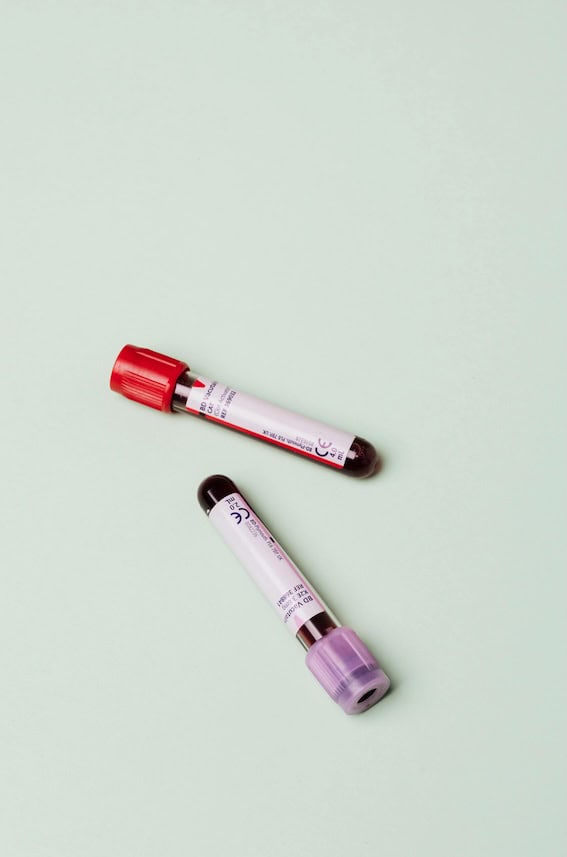
A small venous blood sample is taken from the arm.
No preparation or fasting is needed unless combined with other tests.
Results are typically available within 24 to 48 hours.

When to Discuss These Results with a GP
Speak to a GP if:
- Any result is outside the reference range
- You have symptoms that may relate to nutrient imbalance
- You take supplements and want to avoid overtreatment
- You follow a restrictive diet
- You have digestive conditions that affect absorption
- You need guidance on treatment or follow-up testing
A GP can interpret iron, ferritin, B12 and folate levels alongside your symptoms, lifestyle and wider blood markers.
Related Tests and Articles
Bone profiles are often reviewed alongside:
For a wider overview of routine blood markers, you can visit our main Blood Tests section in the Knowledge Base.
If you would like to discuss nutrient levels, explore symptoms or plan a general health review, you can book an online GP appointment with AccessGP.
AccessGP Services
Our GMC-registered GPs offer same-day or next-day video and telephone consultations, providing convenient access to medical advice when you need it.
What We Offer:
Locations We Serve:
Available to patients in Brighton, Bedford, Cambridge, Loughborough, Leicester, Manchester and throughout England.
Last reviewed by Dr Zamiel Hussain, GMC registered GP
Updated: 8 December 2025