

Author: Dr Zamiel Hussain, GP and Founder at AccessGP
Clinical review: Dr Anna Trigell, GPwER in Dermatology
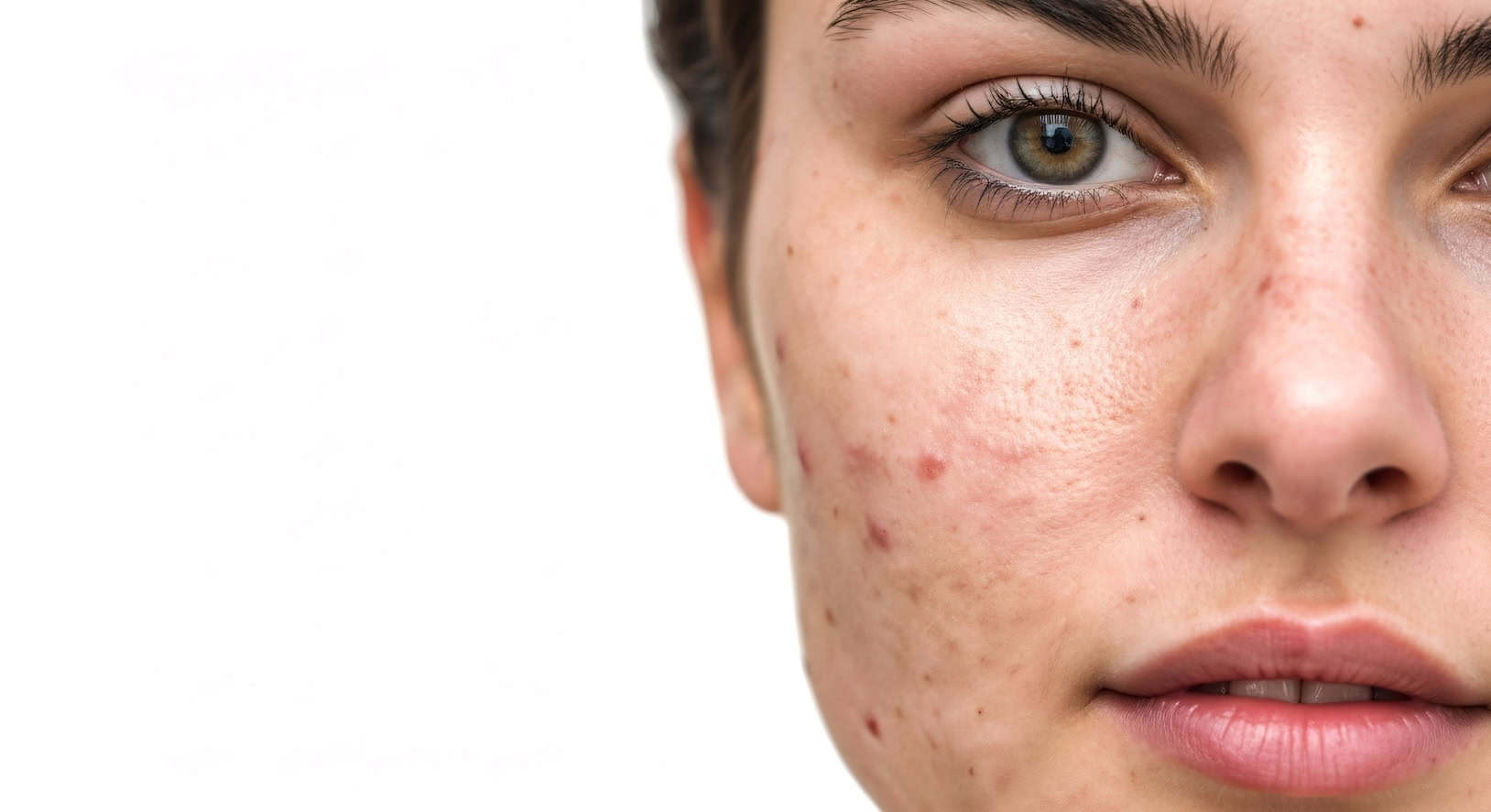
Acne is often thought of as a teenage condition, something that resolves with time and good skincare. In reality, many people continue to experience acne well into adulthood, and for some, it develops for the first time in their twenties, thirties, or later. Adult acne can be persistent, unpredictable, and emotionally frustrating, particularly when it does not respond to products that once worked.
This article explores why acne persists beyond adolescence, how hormonal acne differs from other skin conditions, and when it is worth seeking medical advice rather than continuing to self-manage.
About this series: Scratching the Surface of Dermatology
Scratching the Surface of Dermatology is an educational blog series exploring common skin concerns seen in general practice. Articles are written by Dr Zamiel Hussain, Lead GP and Founder of AccessGP. Articles are clinically reviewed by Dr Anna Trigell, GPwER in Dermatology, who leads the AccessGP Skin Clinic.
The series aims to explain skin conditions in a clear, evidence-based way, helping patients understand symptoms, treatment options, and when to seek medical advice.
Why acne persists in adulthood
Adult acne develops through the same basic mechanisms as teenage acne, increased oil production, blocked pores, inflammation, and bacterial overgrowth, but the triggers are often different. Hormonal fluctuations play a larger role, particularly in women, and acne in adults tends to be more chronic and slower to respond to treatment.
Stress, disrupted sleep, and certain skincare or cosmetic products can also contribute. Unlike teenage acne, which often affects the forehead and cheeks, adult acne is more commonly concentrated on the lower face. Many patients describe cycles of improvement and flare-ups rather than complete resolution.
Understanding hormonal acne
Hormonal acne is one of the most common patterns seen in adult patients. It typically presents as deeper, tender spots clustered around the jawline, chin, and lower face. These breakouts often flare in a cyclical pattern, sometimes linked to the menstrual cycle, and may persist despite careful skincare.
Because hormonal acne is driven from within, over-the-counter products alone are frequently ineffective. This can lead to prolonged trial and error with cleansers and treatments, often worsening irritation without addressing the underlying cause.
When acne is not actually acne
One of the challenges in adult skin concerns is that not all facial spots are acne. Conditions such as rosacea, perioral dermatitis, and folliculitis can appear similar but require very different management. Treating rosacea as acne, for example, can worsen redness and sensitivity rather than improve it.
Accurate diagnosis is therefore essential. A clear history and good-quality images often allow a confident distinction between acne and other inflammatory skin conditions, preventing months of ineffective or inappropriate treatment.
How adult acne is treated in practice
Treatment for adult acne depends on its severity, distribution, and impact. Many patients benefit from prescription topical treatments designed to reduce inflammation and prevent blocked pores. These treatments take time to work and often require patience, as visible improvement may take several weeks.
In some cases, oral treatments are appropriate, including short courses of antibiotics or hormonal therapies in selected patients. Antibiotics are not a long-term solution and are not suitable for everyone. Repeated or prolonged courses can be ineffective and contribute to resistance, particularly when hormonal drivers are not addressed.
One of the most common reasons acne treatment fails is stopping too early or changing products too frequently. Clear guidance and realistic expectations are often just as important as the treatment itself.
When to seek GP advice
If acne persists despite appropriate skincare, is painful or scarring, or is affecting confidence and wellbeing, it is sensible to seek medical advice. This is particularly true when acne follows a hormonal pattern or when there is uncertainty about the diagnosis.
Early assessment can reduce the risk of scarring and avoid prolonged periods of trial and error with ineffective treatments.
How AccessGP Can Help
The AccessGP Online Skin Clinic is led by Dr Anna Trigell, GPwER in Dermatology, and supports patients with a wide range of common skin concerns.
We assess suitability for online dermatology by initial skin concern triage, allowing patients to submit photos and brief details so concerns can be reviewed and directed appropriately. Where suitable, skin conditions can then be assessed through convenient digital consultations using photo and video appointments, avoiding unnecessary delays.
Our clinic focuses on clear diagnosis, evidence-based treatment, and practical skin care plans. Patients are advised when remote management is appropriate and when in-person assessment or specialist referral is needed, ensuring care is both safe and proportionate.
You can also learn more about skin concerns at our Knowledge Base.
Reliable Resources and Clinical References
British Association of Dermatologists (BAD): www.bad.org.uk
NHS: Dry skin and eczema: www.nhs.uk/conditions/atopic-eczema
NICE Clinical Knowledge Summaries: cks.nice.org.uk