

PSA (Prostate Specific Antigen)
A PSA test measures the level of prostate specific antigen in the blood. PSA is a protein produced by prostate cells, and levels can rise for several reasons including prostate enlargement, inflammation, infection or, rarely, prostate cancer. PSA testing is used in men’s health assessments, prostate symptom reviews and shared decision-making around prostate screening.
What a PSA Test Measures
The test measures:
- Total PSA — the main marker used in screening and symptom assessment.
- Free PSA (sometimes included) — used in selected cases to help refine interpretation.
Most routine PSA testing uses total PSA only.
PSA levels naturally vary depending on age, prostate size and individual factors.
Why PSA Tests Are Used
A PSA test helps identify:
- Prostate enlargement
- Prostate inflammation (prostatitis)
- Possible infection
- Age-related prostate changes
- Areas where further assessment may be needed including prostate cancer
A raised PSA does not automatically mean cancer. In the UK, PSA is not part of a national screening programme, although men can choose to have a PSA test after discussing the benefits and limitations with a GP.
Common Reasons to Have a PSA Test
This test may be arranged if you have:
- Urinary symptoms (slow flow, urgency, difficulty starting or stopping)
- Pelvic or prostate discomfort
- Concerns about prostate enlargement
- Family history of prostate cancer
- General men’s health checks
- Shared decision-making around PSA screening
PSA is also used to monitor certain prostate conditions after specialist review.
Understanding PSA Patterns
Interpreting PSA results depends on your age, symptoms and prostate size. A single PSA reading is never assessed in isolation.
Normal PSA for age
A PSA within the expected age-related range can still require review if you have ongoing urinary or prostate symptoms. Further assessment, including physical examination, may be needed if symptoms persist.
Raised PSA
Raised PSA results require timely clinical review, although this does not automatically indicate cancer. Levels can increase due to prostate enlargement, inflammation or infection. Repeat testing, symptom assessment and examination are usually recommended.
Temporary increases
PSA can rise after:
- Cycling or long bike rides
- Ejaculation
- Prostate infection
- Medical procedures involving the prostate
Waiting 48 hours after these activities can improve accuracy.

How the Test Is Performed
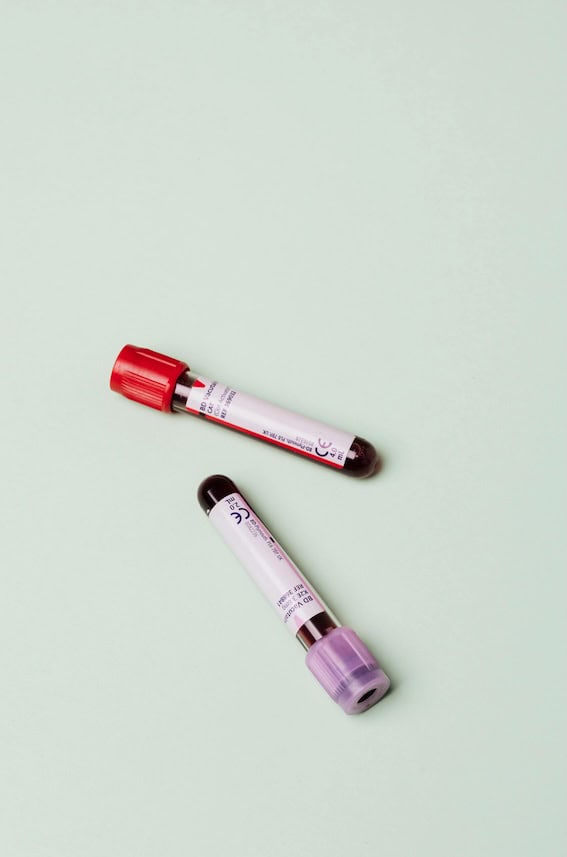
A small blood sample is taken from a vein in your arm. No fasting is required. Results are typically available within 24 to 48 hours.

When to Discuss PSA testing with a GP
Speak to a GP if:
- Your PSA result falls outside the expected age-related range
- You have ongoing urinary or prostate symptoms
- You have a family history of prostate cancer and would like tailored advice
- You are unsure how to interpret your PSA result
- You have had a recent infection or activity that may affect the result and need guidance on repeat testing
- You have been advised to repeat PSA as part of ongoing monitoring
- You are worried about prostate health
A GP can assess your symptoms, consider contributing factors and help plan the next appropriate steps. PSA results are interpreted alongside age, medical history and clinical assessment rather than in isolation.
Related Tests and Articles
PSA is often reviewed alongside:
For a wider overview of routine blood markers, you can visit our main Blood Tests section in the Knowledge Base.
If you would like to discuss PSA results or prostate symptoms, you can book an online GP appointment for clear and personalised advice.
AccessGP Services
Our GMC-registered GPs offer same-day or next-day video and telephone consultations, providing convenient access to medical advice when you need it. Men looking for a proactive approach to their health should consider our WellMan Blood Test.
What We Offer:
Locations We Serve:
Available to patients in Brighton, Bedford, Cambridge, Loughborough, Leicester, Manchester and throughout England.
Last reviewed by Dr Zamiel Hussain, GMC registered GP
Updated: 8 December 2025