

Perimenopause and menopause
Perimenopause and menopause are natural life stages that can cause wide-ranging physical, psychological and hormonal symptoms. Many women experience changes years before their final period, often without realising that symptoms may be linked to hormonal transition rather than a new illness.
This page provides GP-reviewed information on perimenopause and menopause, including common symptoms, how they are assessed, available treatment options and when to seek medical advice.
These articles are intended as educational sources, not diagnostic nor taking place of a proper medical assessment. If you need help, please book an appointment with one of our GP’s.
What is perimenopause?
Perimenopause is the transitional phase leading up to menopause. It can begin in the early to mid-40s, and sometimes earlier, and may last several years.
During perimenopause, ovarian hormone production becomes more variable. Oestrogen and progesterone levels fluctuate rather than steadily decline, which explains why symptoms can feel unpredictable or cyclical.
Women in perimenopause may still have periods, but cycles often become irregular, heavier, lighter or more erratic.
What is menopause?
Menopause is defined as the point at which a woman has not had a menstrual period for 12 consecutive months, without another medical cause. The average age of menopause in the UK is around 51.
After menopause, oestrogen levels remain consistently low. Symptoms may persist for several years, although their pattern often changes over time.
Common symptoms of perimenopause and menopause
Symptoms vary widely between individuals. Some women experience mild disruption, while others find symptoms significantly affect quality of life.
Common symptoms include:
- irregular periods or changes in menstrual flow
- hot flushes and night sweats
- sleep disturbance or insomnia
- low mood, anxiety or irritability
- brain fog, poor concentration or memory changes
- fatigue and low energy
- joint or muscle aches
- headaches or migraines
- palpitations
- vaginal dryness or discomfort during sex
- reduced libido
- urinary frequency or recurrent urinary symptoms
- weight gain or changes in body composition
Symptoms may fluctuate month to month, particularly during perimenopause.
When symptoms may be mistaken for other conditions
Perimenopause and menopause symptoms are often misattributed to other causes, especially when periods are still occurring.
Women may present to a GP with:
- anxiety or panic symptoms
- low mood or depression
- unexplained fatigue
- sleep problems
- joint pain or stiffness
- palpitations or chest awareness
- recurrent urinary symptoms
A careful history helps distinguish hormonal transition from other medical conditions that may need investigation.
Treatment options for perimenopause and menopause
Management is individualised and depends on symptom severity, medical history and personal preference.
Options may include:
Hormone replacement therapy (HRT)
HRT replaces oestrogen and, where appropriate, progesterone. It can significantly improve hot flushes, sleep disturbance, mood symptoms and vaginal dryness for many women.
A GP will assess suitability, risks and benefits before prescribing. HRT should be tailored for each individual depending on the current symptoms, stage of menopause/perimenopause and existing conditions.
Vaginal oestrogen
Local oestrogen treatments are effective for vaginal dryness, discomfort and urinary symptoms, with minimal systemic absorption.
Non-hormonal options
Some women prefer or require non-hormonal approaches. These may include:
- lifestyle adjustments
- sleep optimisation
- cognitive behavioural strategies
- selective medications for hot flushes or mood symptoms
Lifestyle measures
Lifestyle support is often an important part of management and may include:
- regular physical activity
- strength and resistance training
- balanced nutrition
- alcohol and caffeine moderation
- sleep routine support
- stress management
When to seek medical advice urgently
Medical advice should be sought promptly if you experience:
- bleeding after menopause
- very heavy or prolonged bleeding
- bleeding between periods that is persistent
- new pelvic pain
- unexplained weight loss
- severe or worsening mood symptoms
These symptoms require assessment to exclude other causes.
Menopause, cardiovascular health and bone health
The hormonal changes that occur during perimenopause and menopause can have longer-term effects on heart health and bone strength, particularly due to declining oestrogen levels.
Cardiovascular health after menopause
Oestrogen has a protective effect on the cardiovascular system. After menopause, changes in hormone levels may contribute to:
- increases in LDL (bad) cholesterol
- changes in blood vessel flexibility
- increased blood pressure
- shifts in body fat distribution
As a result, cardiovascular risk gradually increases after menopause. This does not mean heart disease is inevitable, but it highlights the importance of proactive health monitoring.
A GP may discuss:
- blood pressure monitoring
- cholesterol or lipid testing
- blood sugar assessment
- lifestyle measures to reduce cardiovascular risk
In some cases, hormone replacement therapy (HRT) may form part of a broader cardiovascular risk discussion, depending on age, timing, symptoms and individual risk factors.
Bone health and osteoporosis
Oestrogen plays a key role in maintaining bone density. After menopause, bone loss can accelerate, increasing the risk of osteopenia and osteoporosis over time.
Factors that may increase bone health risk include:
- early menopause
- family history of osteoporosis
- low body weight
- smoking
- long-term steroid use
- low calcium or vitamin D levels
A GP may discuss:
- lifestyle measures such as weight-bearing exercise
- calcium and vitamin D intake
- bone health blood tests
- referral for bone density scanning (DEXA) where appropriate
Early awareness allows preventative strategies to be put in place before fractures occur.
A preventative health approach
Perimenopause and menopause can be an opportunity to take a preventative, whole-health approach, focusing on cardiovascular health, bone strength, metabolic health and long-term wellbeing alongside symptom management.

How a GP assesses perimenopause and menopause
Diagnosis is usually clinical, based on age, symptoms and menstrual history.
A GP will typically explore:
- pattern and timing of symptoms
- menstrual cycle changes
- impact on sleep, mood and daily functioning
- medical history and medications
- family history, including early menopause
Blood tests are not always required, especially in women over 45 with typical symptoms.
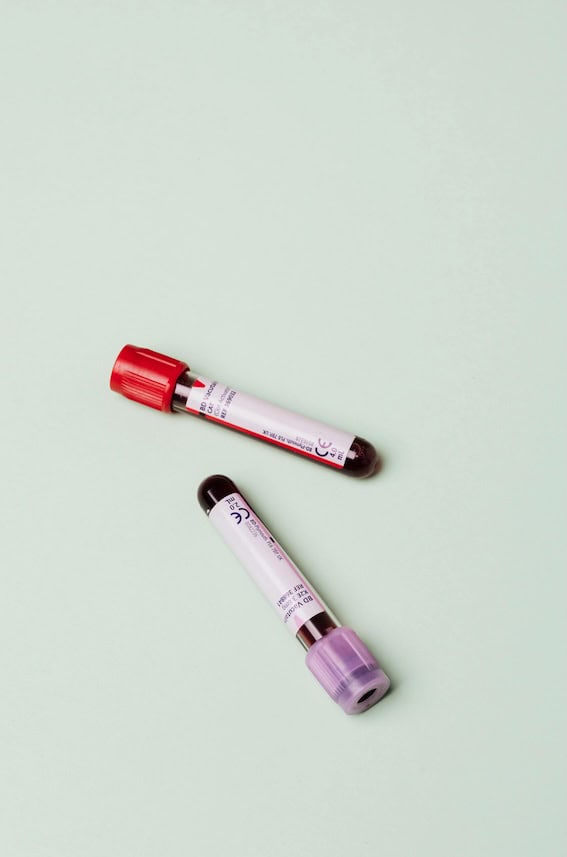
Blood tests that may be considered
In some situations, a GP may request blood tests to support assessment or rule out other causes. These may include:
- follicle-stimulating hormone (FSH)
- thyroid function tests
- full blood count
- ferritin or iron studies
- vitamin B12 or folate
- HbA1c or glucose testing
FSH levels can fluctuate significantly during perimenopause and are not always reliable in isolation.

When to book a GP appointment
Consider booking a GP consultation if:
- symptoms are affecting daily life or work
- sleep disruption is persistent
- mood or anxiety symptoms are worsening
- periods become very irregular or problematic
- you want to discuss HRT or treatment options
- you want reassurance or a structured review
A GP can help confirm whether symptoms are consistent with perimenopause or menopause and plan appropriate management.

Further Reading and Hub Links
Visit our Women’s Health hub or browse more health topics in the AccessGP Knowledge Base.
If you would like to discuss perimenopause or menopause symptoms, treatment options or hormonal health, you can book an online GP appointment with AccessGP.
AccessGP Services
Our GPs provide consultations through video or phone appointments.
What We Offer:
Managing long-term hormonal health is easier with ongoing support. Our AccessGP Plus Membership offers unlimited appointments for regular reviews.
Locations We Serve:
Whether you need a private GP in Watford, Sevenoaks, Beaconsfield, Harpenden or Chelmsford, appointments are available the same or next day.
Last reviewed by Dr Zamiel Hussain, GMC registered GP
Clinical contributor: Dr Tasnimah Miah, Women’s Health Advocate
Updated: 15 December 2025