

Author: Dr Zamiel Hussain, GP and Founder at AccessGP
Clinical review: Dr Anna Trigell, GPwER in Dermatology
As temperatures drop and indoor heating rises, many people notice their skin becoming dry, irritated, or inflamed. Winter is one of the busiest times for new skin complaints and flare-ups of existing conditions in both GP and dermatology clinics.
This guide explains why cold weather affects the skin barrier, the most common winter skin problems, and when it’s sensible to seek medical advice.
About this series: Scratching the Surface of Dermatology
Scratching the Surface of Dermatology is an educational blog series exploring common skin concerns seen in general practice. Articles are written by Dr Zamiel Hussain, Lead GP and Founder of AccessGP. Articles are clinically reviewed by Dr Anna Trigell, GPwER in Dermatology, who leads the AccessGP Skin Clinic.
The series aims to explain skin conditions in a clear, evidence-based way, helping patients understand symptoms, treatment options, and when to seek medical advice.
Why Winter Is Hard on Your Skin
Cold, dry air outdoors and centrally heated air indoors combine to dehydrate your skin. Hot showers and harsh soaps further strip away natural oils, leaving the skin barrier vulnerable. Reduced sunlight can worsen inflammatory conditions such as eczema and psoriasis, and frequent handwashing, especially during cold and flu season, adds more irritation.
When this protective barrier breaks down, moisture escapes and inflammation takes hold, leading to dryness, itching, redness, and cracking.
Common Winter Skin Problems and How to Manage Them
1. Dry Skin (Xerosis)
Dry skin is by far the most frequent winter skin issue. It often feels tight, rough, and itchy, especially on the legs, arms, and hands.
GP advice: Switch from light lotions to thick, fragrance-free emollient creams or ointments. Apply within minutes of washing to lock in moisture. Limiting long, hot showers and avoiding foaming soaps also helps protect the skin’s lipid barrier.
If dryness becomes red or inflamed, it may be progressing towards eczema, where you should speak to your GP for tailored advice.
2. Eczema and Dermatitis Flares
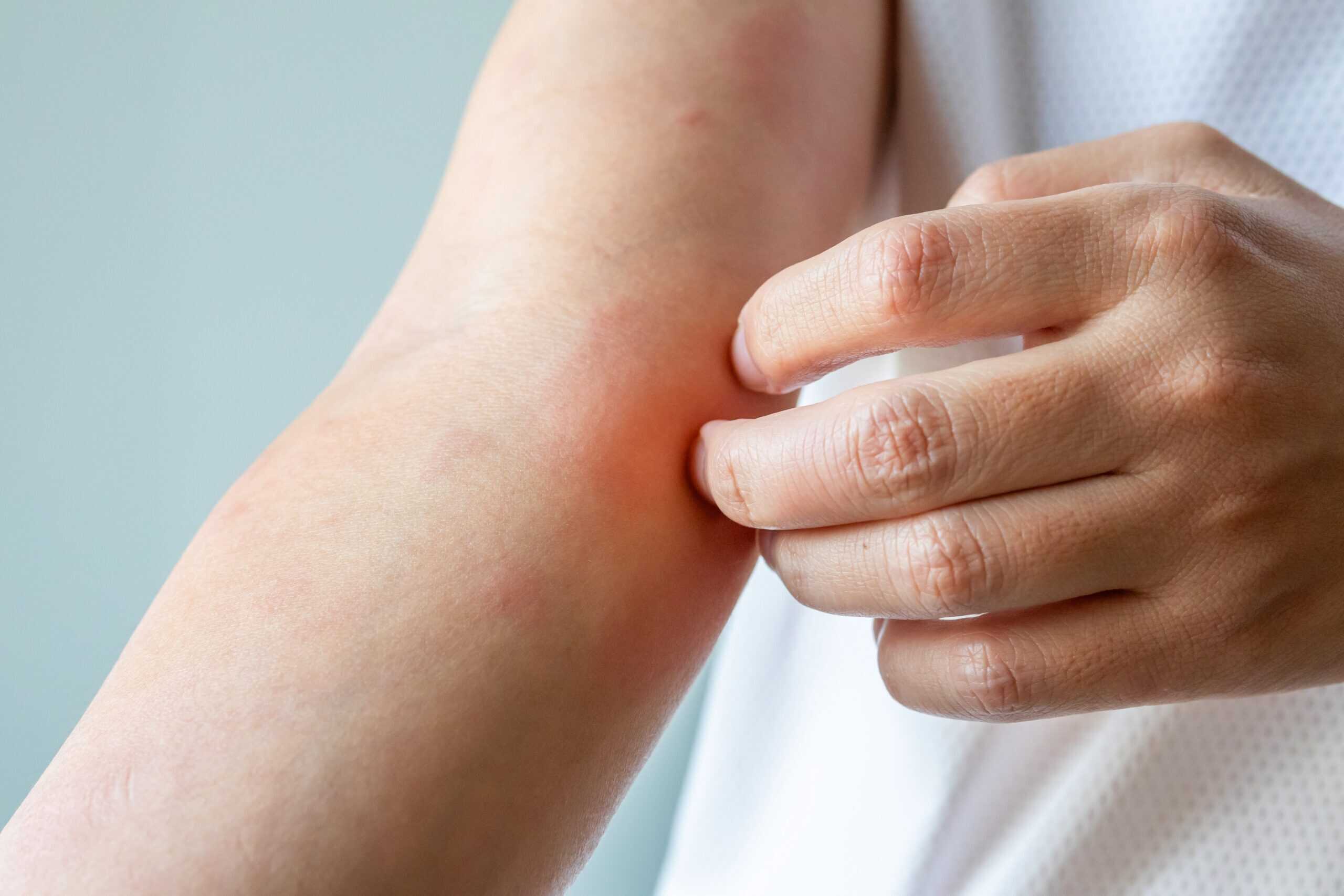
Atopic eczema and contact dermatitis commonly flare in winter. The hands, face, and flexural areas (elbows, knees) are especially prone to irritation from cold air and frequent washing.
What this looks like: Red, itchy, inflamed skin that may crack or weep in more severe cases.
Treatment options: Prescription emollients remain first-line, but short courses of topical steroid creams, used appropriately, can control inflammation quickly and safely. In GP practice, we often see patients delay treatment due to fear of steroids, which can make flares last significantly longer. Used correctly, they are safe and effective.
Identify and reduce known irritants such as fragranced products or latex gloves.
3. Cracked Hands and Fingertip Dermatitis
Painful fissures around the fingertips are very common among people who wash their hands frequently or work in healthcare, childcare, or cleaning roles.
Frequent application of a rich, ointment-based emollient (ideally after every wash) provides vital protection. Wearing cotton gloves overnight under a layer of ointment helps healing. If cracks appear red, swollen, or ooze fluid, infection is possible, so seek medical advice promptly.
Short courses of topical steroids may be needed if the skin becomes inflamed.
4. Chilblains
Chilblains are inflammatory skin reactions caused by sudden cold exposure, typically affecting the fingers, toes, ears, or nose. They present as red or purple patches that may itch, swell, or burn after being in damp, cold conditions.
Most resolve naturally with gentle warming and protection from further cold. Persisting or recurrent chilblains, however, should prompt a medical review to rule out circulatory or autoimmune conditions.
5. Winter Rashes and General Irritation
Some people develop non-specific rashes during winter, often linked to dryness, friction, or sensitivity to certain fabrics. Wool, synthetic materials, and tight clothing can aggravate sensitive skin, while infrequent moisturising makes symptoms worse.
Choose soft, breathable fabrics and apply moisturiser daily. If rashes spread, form blisters, or come with pain or fever, book a GP appointment for assessment.
When to Get GP Help
You should seek medical advice if:
- Your skin condition is not improving with regular moisturising.
- There is significant itching, pain, or cracking.
- You need prescription treatment such as topical steroids.
- You notice oozing, bleeding, or spreading redness (signs of infection).
- You are unsure of the diagnosis.
Many winter skin issues can be assessed through a remote GP consultation with clear photos. However, if infection or an uncertain diagnosis is a concern, an in-person review may be needed.
How AccessGP Can Help
The AccessGP Online Skin Clinic is led by Dr Anna Trigell, GPwER in Dermatology, and supports patients with a wide range of common skin concerns.
We offer free initial skin concern triage, allowing patients to submit photos and brief details so concerns can be reviewed and directed appropriately. Where suitable, skin conditions can then be assessed through convenient digital consultations using photo and video appointments, avoiding unnecessary delays.
Our clinic focuses on clear diagnosis, evidence-based treatment, and practical skin care plans. Patients are advised when remote management is appropriate and when in-person assessment or specialist referral is needed, ensuring care is both safe and proportionate.
You can also learn more about skin concerns at our Knowledge Base.
Reliable Resources and Clinical References
British Association of Dermatologists (BAD): www.bad.org.uk
NHS: Dry skin and eczema: www.nhs.uk/conditions/atopic-eczema
NICE Clinical Knowledge Summaries: cks.nice.org.uk