

Common Medical Investigations: GP Reviewed Information
Medical investigations are often recommended to help clarify symptoms, confirm a diagnosis, or rule out serious illness. Being told you need a test can feel worrying, particularly if the procedure is unfamiliar or sounds invasive.
This section of the AccessGP Knowledge Base explains commonly requested medical investigations and diagnostic procedures, written by a GP to help you understand why tests are recommended, what they involve, and what usually happens next.
What this investigations section covers
This section includes GP-reviewed information on commonly used diagnostic tests and procedures across primary and secondary care. These investigations are often requested to assess symptoms, monitor conditions, or guide treatment decisions.
The topics covered include:
Each article aims to explain investigations clearly, reduce uncertainty, and support informed decision-making.
Common reasons adults are referred for investigations
Investigations are commonly requested when symptoms cannot be fully explained by history and examination alone, or when further reassurance is needed.
Common reasons include:
- ongoing or unexplained symptoms
- changes in bowel habits or swallowing
- chest symptoms or suspected heart conditions
- persistent ENT symptoms
- abnormal blood test results
- monitoring known medical conditions
- ruling out serious or time-sensitive causes
In many cases, investigations are precautionary and provide reassurance rather than confirming serious disease.
Types of investigations explained in this section
Below is an overview of the main investigation topics covered. Each links to a dedicated article with more detailed, GP-led guidance.
Colonoscopy
Used to examine the large bowel and rectum, often to investigate bowel habit changes, bleeding, anaemia, or abnormal stool tests.
Gastroscopy
A camera test of the oesophagus, stomach, and upper small bowel, commonly requested for reflux, swallowing problems, or upper abdominal symptoms.
Nasoendoscopy
An ENT procedure used to examine the nasal passages, throat, and voice box, often for persistent throat symptoms, voice changes, or nasal obstruction.
24-hour ECG (Holter monitoring)
A portable heart monitor worn continuously over 24 hours or longer to assess heart rhythm. Commonly used to investigate palpitations, dizziness, blackouts, or suspected intermittent arrhythmias.
Echocardiogram (ECHO)
An ultrasound scan of the heart used to assess heart structure, valve function, and pumping ability.
Each investigation article explains why the test may be recommended, what happens during the procedure, and how results are typically interpreted.

How a GP decides which investigations are needed
Investigations are not requested routinely or without reason. A GP will usually consider:
- symptom history and duration
- associated red flag features
- past medical history and medications
- examination findings
- initial blood test results
The aim is to request the right test at the right time, avoiding unnecessary procedures while ensuring important conditions are not missed.
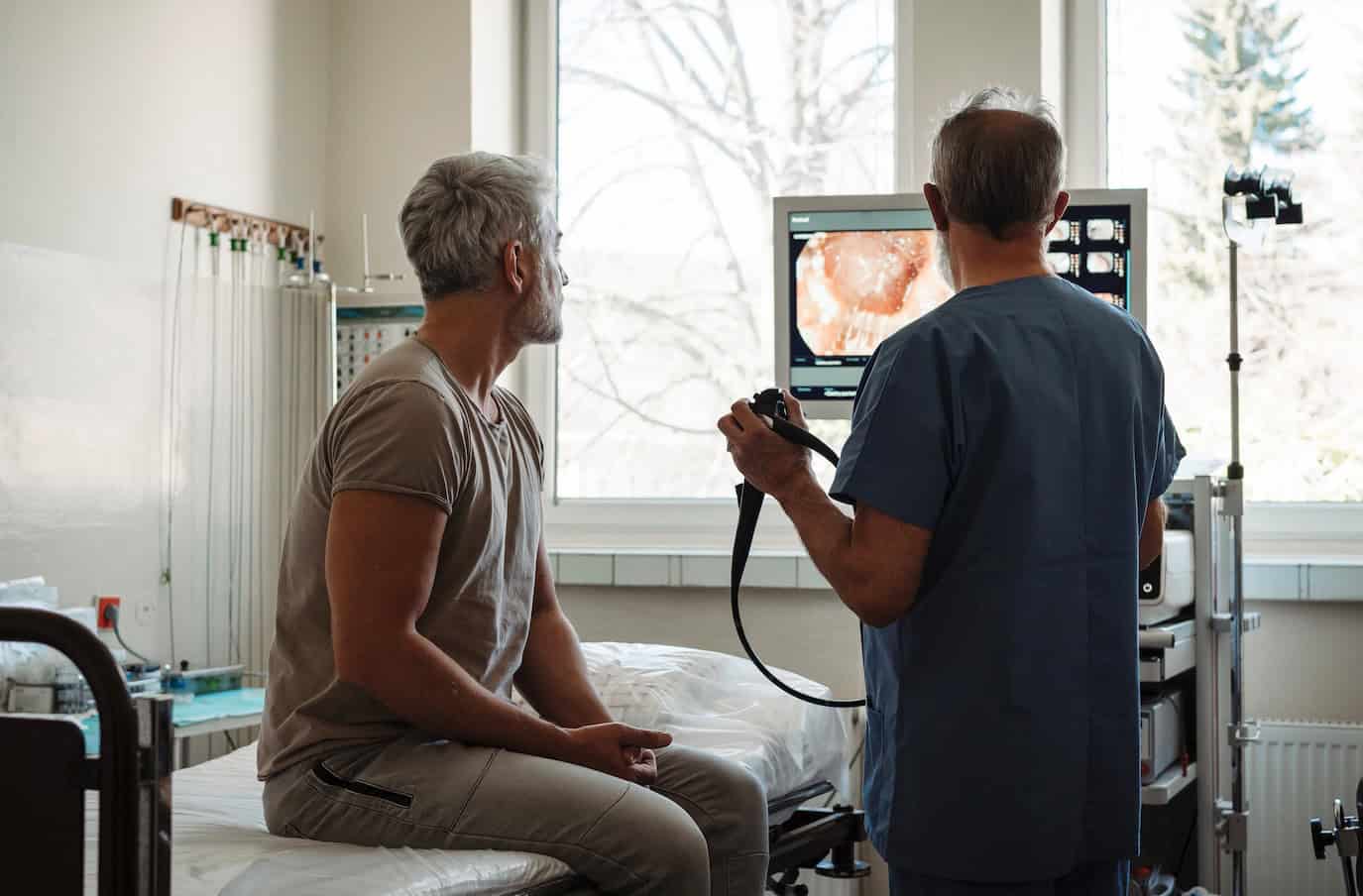
Understanding results and next steps
Investigation results are interpreted in clinical context. A normal result can be reassuring, while an abnormal result does not always mean serious disease.
Depending on the findings, next steps may include:
- reassurance and monitoring
- medication or lifestyle advice
- further investigations
- referral to a specialist
Clear explanation of results is often key to reducing anxiety and helping patients move forward confidently.

When to speak to a GP and how AccessGP can help
You may wish to speak to a GP if:
- you are unsure why an investigation has been recommended
- you feel anxious about an upcoming test
- you have existing medical conditions or take regular medication that may affect preparation
- you need help understanding investigation results
- you want to explore private or faster access options
AccessGP can support you by:
- explaining why a test has been requested
- assessing symptoms and investigation needs
- arranging private referrals where appropriate
- reviewing and interpreting investigation results
- advising on follow-up and next steps
Care is focused on clarity, safety, and helping patients move forward with confidence.
Explore expert, GP-reviewed insights into your health across the AccessGP Knowledge Base.
If you would like to discuss an upcoming investigation or referral for a private health check, you can book an online GP appointment with AccessGP.
Last reviewed by Dr Zamiel Hussain, GMC registered GP
Updated: 3 January 2026