

ESR (Erythrocyte Sedimentation Rate)
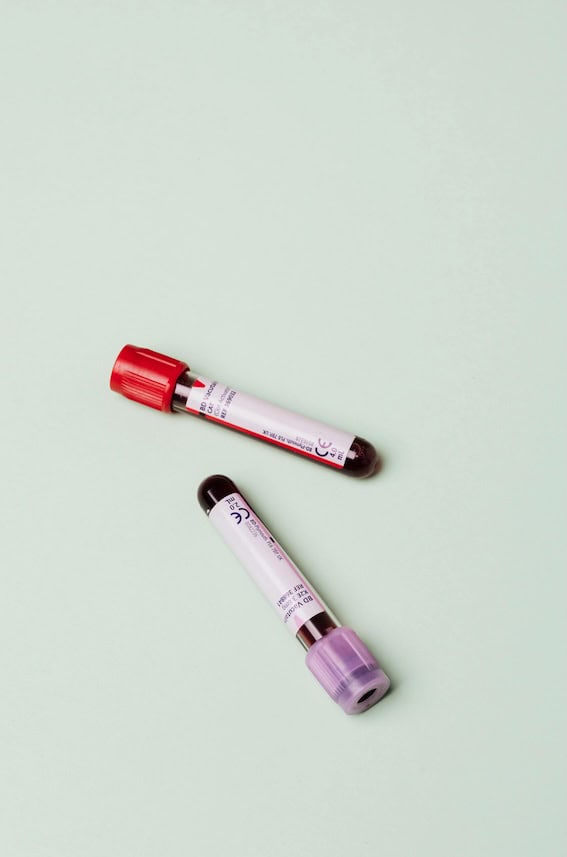
An ESR test measures how quickly red blood cells settle in a test tube over one hour. It is used as a broad indicator of inflammation in the body. ESR often rises with recent illness, infection, inflammation or other non-specific changes in health. It is commonly checked alongside CRP and a full blood count when investigating symptoms such as fatigue, aches or persistent discomfort.
What ESR Measures
ESR reflects how “sticky” red blood cells become in the presence of inflammatory proteins. A higher ESR suggests inflammation somewhere in the body, although it does not indicate the cause or location.
ESR is influenced by:
- Recent infection
- General inflammation
- Anaemia
- Age
- Hormone changes
- Long term conditions
Because ESR is non-specific, it is always interpreted with symptoms and other tests.
Why ESR Is Used
A GP may arrange an ESR test to explore:
- Persistent fatigue
- Muscle or joint aches
- Flu-like symptoms that last longer than expected
- Unexplained discomfort
- Monitoring of long term inflammatory conditions
- Follow-up after recent illness
ESR is rarely used alone and gains value when combined with CRP, FBC and your clinical picture.
Common Reasons to Have an ESR Test
This test may be recommended if you have:
- Ongoing tiredness
- Aches, stiffness or generalised pain
- Raised inflammatory markers on previous tests
- Recent infection
- Monitoring long-term conditions
- Persistent unexplained symptoms
- General health assessments
ESR often rises more slowly and returns to normal more slowly than CRP.
Understanding ESR Patterns
Higher ESR
Can be linked to inflammation, recent illness, infection, anaemia or other non-specific changes. The level of ESR does not indicate the cause. Further assessment depends on symptoms and associated test results.
Normal ESR
A normal result does not fully exclude inflammation, especially in early illness. Symptoms may still require review depending on their pattern and duration.
Differences between ESR and CRP
- ESR changes more slowly and is influenced by age and other factors
- CRP rises and falls more quickly with acute inflammation
They are commonly reviewed together.

How the Test Is Performed
A small blood sample is taken from a vein in your arm. No fasting is required. Results are typically available within 24 to 48 hours.

When to Discuss ESR Results with a GP
Speak to a GP if:
- Your ESR is outside the expected range
- You have persistent symptoms alongside an abnormal result
- You are unsure whether a repeat test is needed
- You are recovering from illness and want a clearer interpretation
- You have long-term inflammatory conditions and need monitoring advice
A GP can interpret ESR alongside full blood count and your symptoms to decide whether further checks are needed.
Related Tests and Articles
ESR is often reviewed alongside:
For a wider overview of routine blood markers, you can visit our main Blood Tests section in the Knowledge Base.
If you would like to discuss inflammatory markers, persistent symptoms or review your results, you can book an online GP appointment with AccessGP.
AccessGP Services
Our GMC-registered GPs offer same-day or next-day video and telephone consultations, providing convenient access to medical advice when you need it.
What We Offer:
Locations We Serve:
Available to patients in Brighton, Bedford, Cambridge, Loughborough, Leicester, Manchester and throughout England.
Last reviewed by Dr Zamiel Hussain, GMC registered GP
Updated: 8 December 2025